

Article

Understanding Forex Trading: Market Characteristics, Volatility, and Leverage Risks


 By :
By : 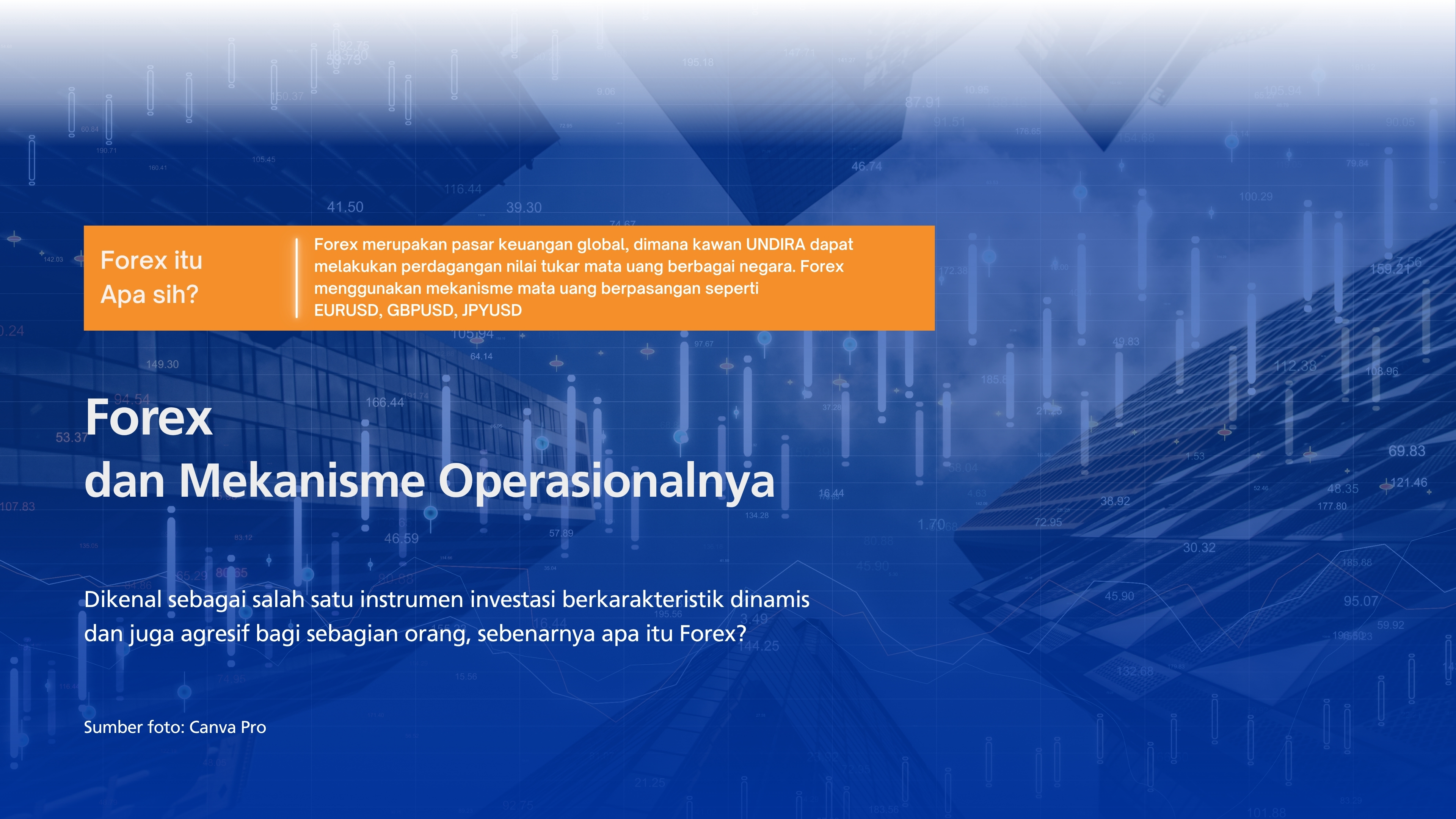
It’s no secret that every form of investment comes in a different shape and carries a different level of volatility. One instrument that has been attracting a lot of attention lately is foreign exchange, better known as forex.
When people hear the word “forex,” with its link to foreign currencies, they often think of the kind of currency exchange you’d find at a money changer or a bank. But forex trading, which is what we’re talking about here, actually works much like stock investing: it’s built around buying and selling to earn capital gains.
To trade forex, you can use a trading platform such as MetaTrader to make transactions digitally. Trades take the form of currency pairs, such as AUD/USD, USD/JPY, and GBP/USD. Although the mechanics are similar to stocks, there are several key differences to keep in mind if you want to dive deeper into forex trading.
First, the scale of the market. According to April 2025 data from the Bank for International Settlements (BIS), average daily forex turnover reached around US$9.6 trillion. That makes forex one of the central hubs of global financial activity. And because the market carries so much weight, changes in a currency pair’s stability, the time frame being observed, liquidity conditions, central bank interest rates, inflation, global employment data, the performance of individual stocks that can reshape industries and companies, or economic and geopolitical developments can all move exchange rates significantly.
While this can create opportunities for large capital gains, the highly dynamic liquidity of the forex market isn’t exactly a friendly environment for new investors who are still learning the ropes.
Second, the trading hours. Forex trading is known for demanding your constant attention. Unlike the stock market, which is bound by exchange hours, forex trades 24 hours a day, non-stop, five days a week. This is possible because the forex market isn’t centralized on a single exchange. Instead, it runs through a global network of banks, financial institutions, and brokers. Trading flows through four main sessions (Sydney, Tokyo, London, and New York), which partly overlap. This also makes forex harder to predict for many people, especially those who don’t have time to keep an eye on their trading accounts.
Third, leverage. The last thing worth noting about forex trading is its fairly high leverage. For context, leverage is essentially the use of a broker’s funds to increase your buying power. In short, it’s extra capital you can use in trading to place larger positions, in the hope of earning bigger returns on that larger amount.
One of the biggest risks in forex trading is its relatively high leverage ratios, far above those typically seen in stock markets, which generally range from 1:2 to 1:4. In forex, ratios of 1:100 to 1:500 are not uncommon. That means with just $1 of margin (collateral), a trader can open a position worth $100 to $500. Tempting as that sounds, leverage cuts both ways: it can multiply your profits, but it can also lead to significant losses.
If you’re a UNDIRA friend who wants to learn about investing in a structured way, take your first step with the Management Study Program at Universitas Dian Nusantara. It’s a place to build a foundation in finance and business so you can make smarter, more responsible investment decisions.
Sources of Reference:
Apakah Investasi Mata Uang Asing Masih Menguntungkan? Simak Kelebihan dan Risikonya! - Sinarmas Bank
Global FX trading hits $9.6 trillion per day in April 2025 and OTC interest rate derivatives surge to $7.9 trillion: Triennial Survey - Bank for International Settlements (BIS)
Apa Itu Trading Forex dan Risikonya dalam Investasi - Bank CIMB Niaga
Mengenal Investasi Saham, Forex, Crypto, dan Futures - Mandiri Sekuritas
Apa itu leverage dan bagaimana cara kerjanya? Jenis, Rumus, dan Risiko - Pluang
(Danang Respati Wicaksono / Humas UNDIRA)
Press Contact :
Biro Humas & Sekretariat Universitas Dian Nusantara
Facebook : www.facebook.com/undiraofficial
Instagram : www.instagram.com/undiraofficial
Twitter : www.twitter.com/undiraofficial
www.undira.ac.id
Other

Cyber Security and the Role of Informatics Engineering for Data Safety
Read more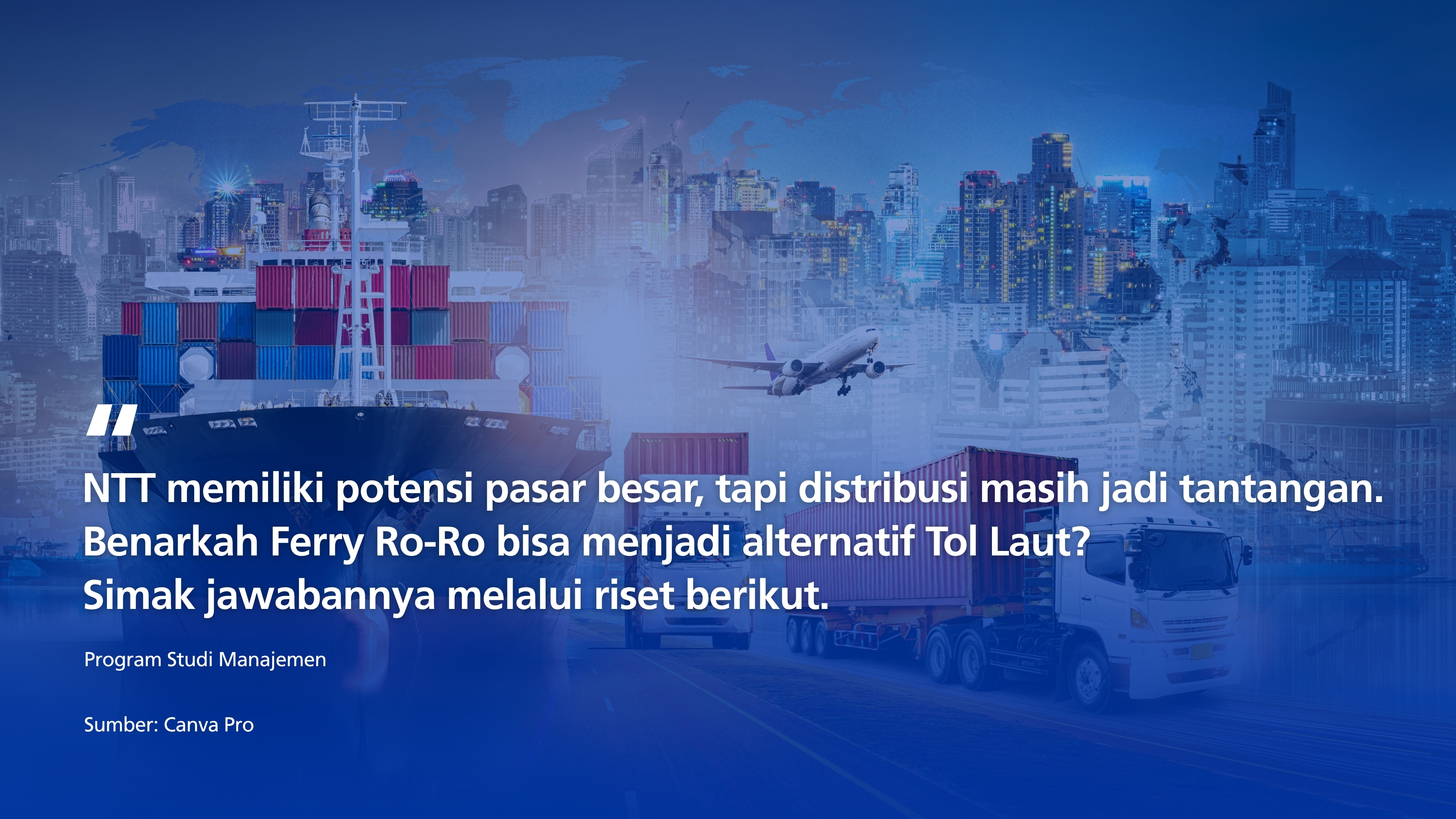
Addressing Inter-Island Logistics Challenges: How Effective Is Ferry Ro-Ro as an Alternative to the Sea Toll Program?
Read more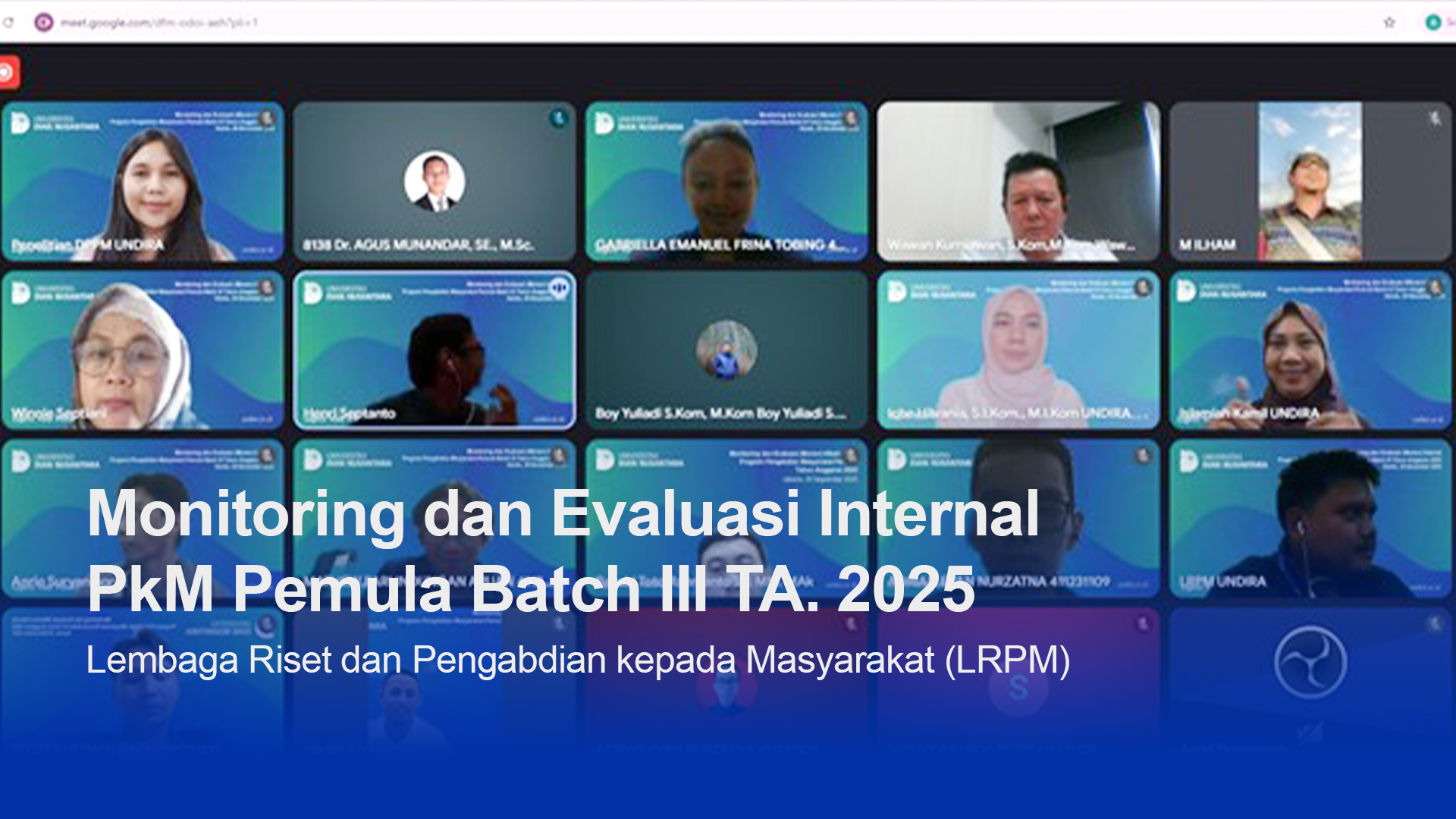
Driving Innovation and Change: UNDIRA's LRPM Holds Internal Monev for Beginner PkM Batch III 2025
Read more
Campus Tanjung Duren
Jln. Tanjung Duren Barat II No. 1
Grogol, Jakarta Barat. 11470
Campus Green Ville
JIn. Mangga XIV No. 3
Campus Kranggan
Jln. Raya Kranggan, No.6,
Jatiraden, Kec. Jatisampurna, Bekasi. 17432


