

Article

Behind the Fuel Number: Understanding RON and Its Impact on Performance and Engine Lifespan


 By :
By : 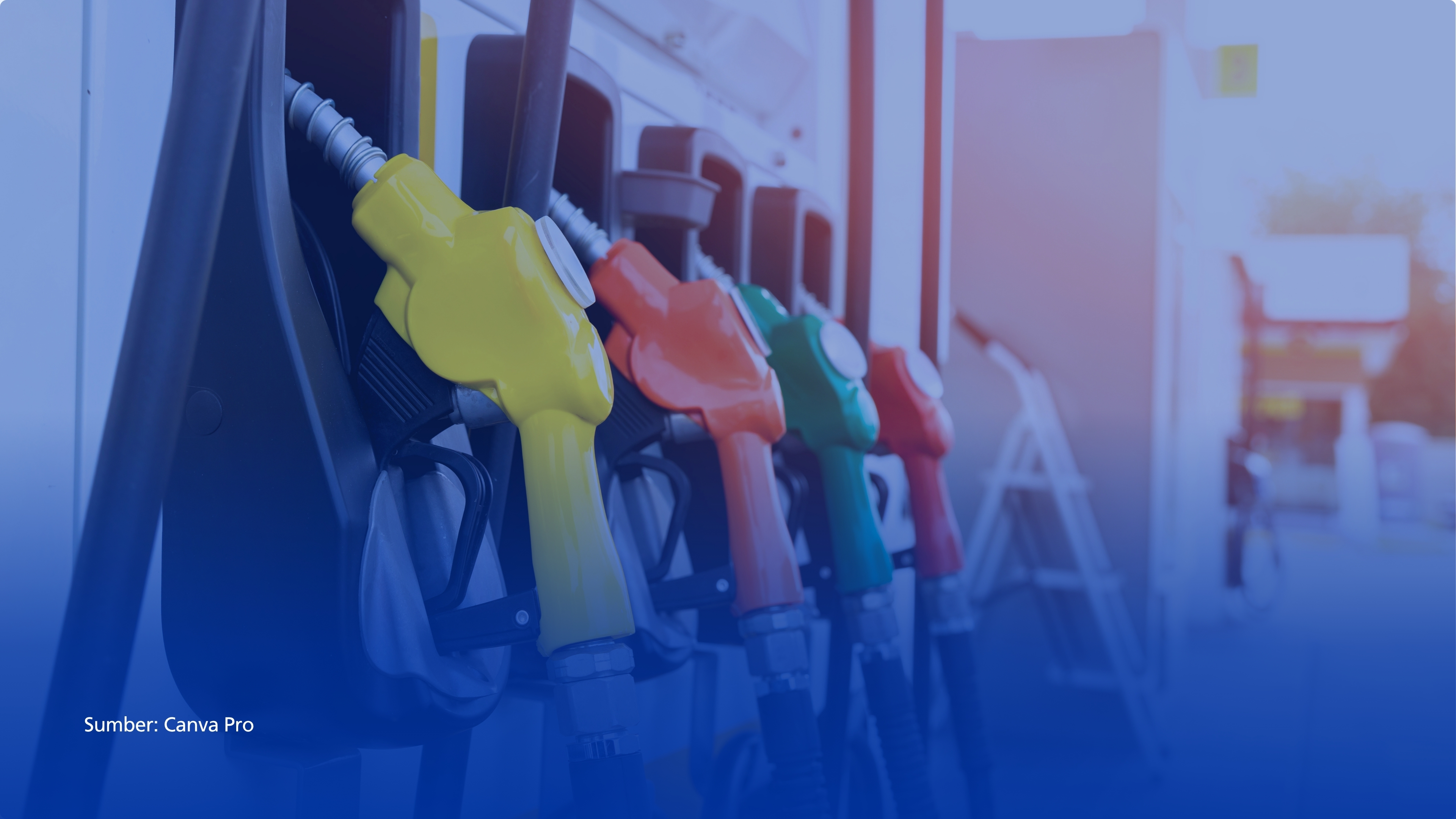
Today, fuel has become one of the most important aspects that deserves attention, whether in terms of vehicle performance, energy efficiency, or environmental sustainability.
During operation, fuel is delivered to the combustion chamber via the fuel intake system, where it is atomized and mixed with air using either a carburetor or an Electronic Fuel Injection (EFI) system. This mixture is then burned inside the combustion chamber to produce heat energy, which is subsequently converted into mechanical energy to drive the piston. The piston's movement is then transmitted through the crankshaft and flywheel, ultimately producing rotation that propels the vehicle.
However, what often goes unnoticed is that an engine capable of running is not necessarily running under optimal conditions. Fundamentally, engine health can also be influenced by the quality of the fuel used.
When filling up at a gas station, we're certainly familiar with the numbers 90, 92, or 98 marking types of gasoline like Pertamax. These indicators aren't random numbers, friends — they're part of what's known as RON, or Research Octane Number.

It's important to underline that not all fuels share the same characteristics. Using fuel whose quality doesn't match the engine's specifications can trigger knocking or detonation — a condition where the air-fuel mixture combusts imperfectly due to excessively high pressure and temperature before or simultaneously with the spark plug's ignition.
RON itself is essentially an index that measures a fuel's resistance to knocking or detonation during the compression process prior to combustion. In other words, the higher a fuel's RON value, the greater its ability to withstand high pressure and temperature without undergoing spontaneous combustion.
The higher the RON value, the more resistant the fuel is to extreme pressure and heat without igniting spontaneously. Every engine has a different compression ratio, and fuel selection must be matched to these specifications.
High-compression engines require high-RON fuel so that the combustion process remains controlled and optimal. Conversely, low-to-medium compression engines only need fuel as recommended by the manufacturer.
If a high-compression engine is forced to run on low-RON fuel, the risk of knocking increases dramatically. The consequences are significant: accelerated engine component damage, carbon deposit buildup in the combustion chamber, pistons, valves, and cylinder head, as well as increased emissions.
Using fuel with a RON value matching or slightly above the manufacturer's recommendation offers several real benefits, such as reduced knocking risk, better combustion efficiency, and lower emissions.
However, it should be noted: using fuel with a RON far higher than the engine needs doesn't automatically mean improved performance. In low-compression engines, this typically doesn't provide a significant performance difference and only adds to operational costs without proportional benefit.
Understanding the RON number indicator isn't merely about choosing the "most expensive" fuel or following advertising trends. It's a critical understanding of how engines work and how fuel affects their efficiency in the long run. Choosing the right fuel according to engine specifications is a small investment with a big impact.
Literacy regarding fuel understanding like this is becoming increasingly relevant in modern life, especially considering that many vehicle owners tend to switch to fuel based on budget without paying attention to its impact on their vehicle's engine.
Together with the Mechanical Engineering program at UNDIRA, you can elevate your understanding of engines and their ecosystem through adaptive learning, applicable laboratory practice, and guidance from experienced lecturers. Let's become part of the future generation of engineers ready to answer the challenges of modern industry with competence, creativity, and a spirit of innovation to create sustainable technological solutions.
Source of References
Mengenal Arti RON dalam Bahan Bakar Kendaraan - BP Indonesia
Memahami Hubungan RON dan Biaya Bahan Bakar Kendaraan Operasional - Shell Official Website
Pengaruh RON terhadap Performa Kendaraan: Kenali dan Pilih yang Tepat! - Shell Official Website
Supar, M.Pd. Dan Drs. Dryanto. 2019. Teori dan Reparasi Sistem Bahan Bakar Bensin Mobil. Gava Media. Perpustakaan Nasional Republik Indonesia
Press Contact :
Biro Humas & Sekretariat Universitas Dian Nusantara
Facebook : www.facebook.com/undiraofficial
Instagram : www.instagram.com/undiraofficial
Twitter : www.twitter.com/undiraofficial
www.undira.ac.id
Other

Translation and Reliance on AI: Is Human Intervention Still Necessary? Insights from an English Literature Lecturer
Read more
Together in Diversity: Bringing the Values of a Sovereign, Just, and Prosperous Pancasila to Life in the Modern Era
Read more
From a Generational Cultural Heritage to a Creative Economy Hub: Lasem, a Cultural Heritage and Center of Creativity
Read more
Campus Tanjung Duren
Jln. Tanjung Duren Barat II No. 1
Grogol, Jakarta Barat. 11470
Campus Green Ville
JIn. Mangga XIV No. 3
Campus Kranggan
Jln. Raya Kranggan, No.6,
Jatiraden, Kec. Jatisampurna, Bekasi. 17432


