

Research and Innovation

UNDIRA Student Evaluates Oxygen Cylinder Safety at Redabolo Regional Hospital via Thermodynamic Approach


 By :
By : 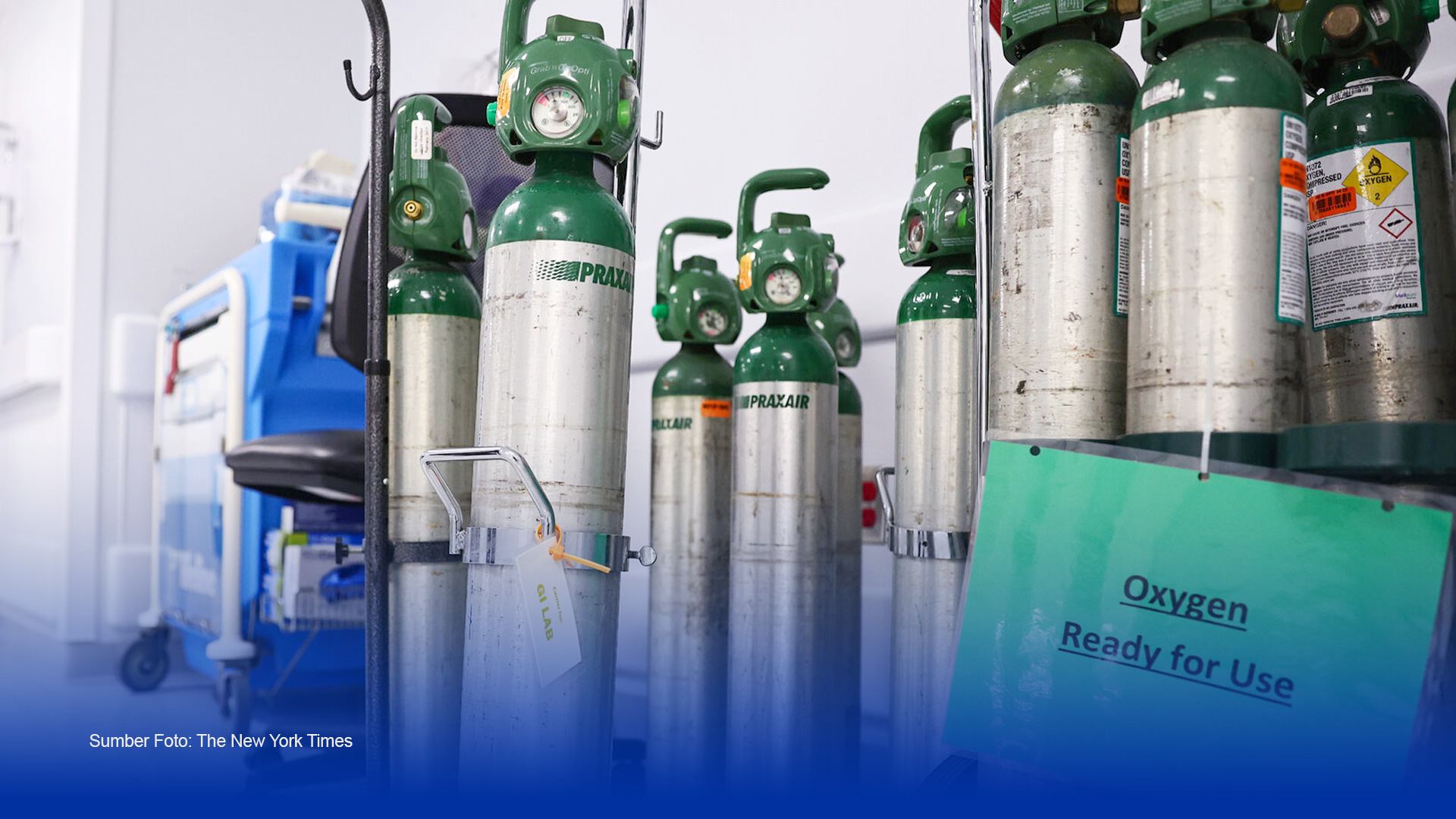
The contribution of Mechanical Engineering extends beyond the industrial sector into the healthcare domain. Medical equipment, as a vital public service asset, requires periodic monitoring to ensure safety and functional sustainability.
One such critical device is the oxygen cylinder. Despite having a relatively long service life of approximately one to five years, oxygen cylinders are highly sensitive to fluctuations in pressure and temperature. These conditions can compromise the quality of the gas, which is a crucial element in patient care.
Driven by safety concerns, a Mechanical Engineering student from Universitas Dian Nusantara (UNDIRA) conducted an evaluative study on the performance of high-pressure oxygen cylinders (rated at 2,000 psi or 150 bar) at Redabolo Regional Hospital, Southwest Sumba. The study focuses on safety and operational parameters, specifically through pressure measurements and the analysis of heat transfer between the internal and external environments of the cylinder.
During the charging phase, the fundamental properties of gases are a primary consideration. Since gas naturally flows from high to low pressure, the filling process utilizes a multi-stage reciprocating compressor to achieve maximum pressure safely.
However, the process extends beyond filling; the storage stage is equally critical. Cylinders pressurized above 1,000 psi require systems capable of minimizing material friction and maintaining internal and external thermal stability. Regarding material science, this research emphasizes the importance of using corrosion-resistant materials with minimal chemical reactivity, such as aluminum, copper, and stainless steel. Furthermore, routine cleaning of compressor components is recommended to preserve oxygen purity and ensure the safety of the charging process.
A pivotal aspect of the study is temperature control. During compression, gas undergoes an increase in kinetic energy, leading to a rise in temperature—a phenomenon explained by adiabatic principles. If left unmanaged, this condition can heighten the risk of leaks or even explosions due to pressure surges.
Based on the laws of thermodynamics, the heat generated during compression must be dissipated to prevent overheating. To address this challenge, the UNDIRA student implemented intercooler and aftercooler cooling systems during the filling process. These systems proved effective in maintaining cylinder temperatures within a safe range of 60°C to 90°C. Moreover, this cooling mechanism plays an essential role in preserving the structural integrity of the cylinder and the quality of the stored oxygen.
The research findings indicate that the quality of high-pressure oxygen cylinders depends not only on compressor performance but also on the consistent control of internal and external temperatures. Neglecting thermodynamic principles can lead to instability in oxygen levels and increase potential hazards for users.
Through this study, the author advocates for the continued practice of periodic evaluations of oxygen cylinders to safeguard both patients and medical personnel. This research serves as evidence that engineering students can provide a tangible impact on public health services.
Source of Reference:
(Danang Respati Wicaksono / Humas UNDIRA)
Press Contact :
Biro Humas & Sekretariat Universitas Dian Nusantara
Facebook : www.facebook.com/undiraofficial
Instagram : www.instagram.com/undiraofficial
Twitter : www.twitter.com/undiraofficial
www.undira.ac.id
Other

UNDIRA Boosts Research Quality with a Workshop on Community Service Proposal Writing
Read more
Heading Toward Excellence: UNDIRA's Management Study Program Successfully Achieves Excellent Accreditation
Read more
Shine Bright Like R.A. Kartini: Becoming Intelligent, Resilient, Courageous, and Conscientious Individuals in Society 5.0
Read more
Campus Tanjung Duren
Jln. Tanjung Duren Barat II No. 1
Grogol, Jakarta Barat. 11470
Campus Green Ville
JIn. Mangga XIV No. 3
Campus Kranggan
Jln. Raya Kranggan, No.6,
Jatiraden, Kec. Jatisampurna, Bekasi. 17432


