

Article

Culture Is Born, Shapes Existence and Identity, and Builds a Sustainable Civilization: National Culture Day


 By :
By : 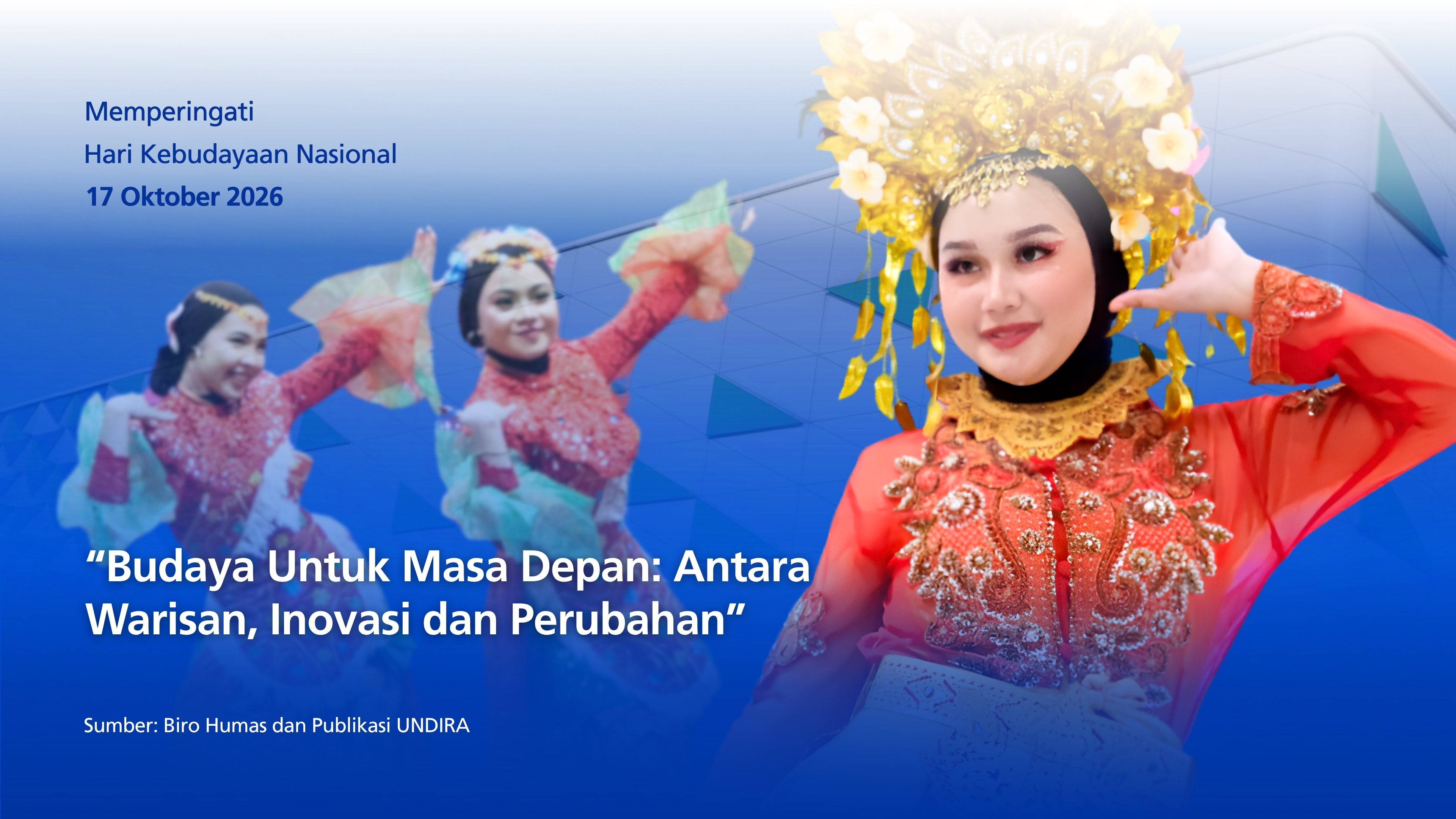
When we talk about culture, our thoughts naturally turn to expression and creativity. For many people, culture is like a set of interlocking gears that continually shape our lives and identities, both individually and collectively. At its core, culture influences how we perceive the world and develop our awareness, echoing René Descartes’ famous statement, “Cogito, ergo sum,” or I think, therefore I am.
In the past, during cultural golden ages such as the Victorian era, culture was often associated with refinement, a particular set of social conventions, and an appreciation for aesthetics and elegance. Today, however, our understanding of culture continues to evolve as communities, nations, and generations interact, adapt, and influence one another. Just as life itself continues to evolve, culture follows a similar principle: it is now born from the people, by the people, and for the people.
Where culture once primarily reflected the beauty of history and the heritage passed down through particular communities, it has now become a medium through which people express their ideologies, identities, and critical perspectives. As a result, culture has grown beyond mere formality. It has become a space for self-expression, a reflection of lifestyle, a means of shaping identity, and a way to enrich our sense of belonging.
Returning to the ideas of René Descartes, his philosophy emphasizes the role of the mind (res cogitans) as a fundamental aspect of human existence. This perspective encourages us not to accept traditions passively, but to engage our reason and imagination in creating, interpreting, and exploring new ideas. Through this process, we leave behind meaningful cultural legacies that others can learn from and appreciate through art, science, and, of course, customs and traditions.
The evolving process of cultural acculturation, alongside the changing perception that culture must always be associated with elegance and refinement, can be seen in various contemporary cultural phenomena. Culture is no longer merely a symbol of identity or personal aspiration; it has also become a dynamic medium for creative expression. One example is cosplay, short for costume play. Although commonly associated with Japanese popular culture, cosplay has gained widespread popularity worldwide.
More than just a trend among younger generations, cosplay reflects the growing influence of creative communities in Indonesia. Its meaning is no longer limited to recreating characters from foreign anime or video games. At various cultural festivals and national celebrations, local creators are increasingly incorporating elements of Indonesian culture into their costumes and performances. This shows how cultural acculturation through modern art forms such as cosplay can meaningfully preserve and revitalize cultural identity.
Beyond stimulating reason and imagination, culture is more than a historical record to be studied and appreciated. It can also serve as a catalyst for regional development. Through research examining the relationship between the economy and culture in Lasem, an intercultural heritage area in Rembang Regency, Central Java, Ms. Nur Endah Retno Wuryandari, S.Sos., M.M., a lecturer in the Management Study Program at Universitas Dian Nusantara (UNDIRA), emphasizes that cultural heritage plays an important role in driving regional economic growth.
This is closely connected to the role of culture and its representation in creating value rooted in ideas, traditional knowledge, folklore, and human creativity. These elements enable culture to become a valuable intangible asset, serving as an important economic resource for communities and regions across the Indonesian archipelago.
Ultimately, culture is an ongoing journey that continues for as long as civilization endures. Reflecting on this year's National Culture Day theme, “Culture for the Future: Between Heritage, Innovation, and Change,” we are reminded that culture offers every generation an opportunity to shape its own identity and place in the world. A living culture is not one frozen in memory, but one that continues to be passed down, renewed, and celebrated together as we build a future enriched by our shared heritage.
Sources of Reference:
Wuryandari, N. E. R., Purwanto, S., Perkasa, D. H., & Arijanto, A. (2026). Lasem: Ekonomi kreatif dan cultural heritage marketing: Strategi pemasaran warisan budaya berbasis batik, kuliner, maritim, komunitas, dan pariwisata berkelanjutan.
How Does Culture Influence Identity - Third Space
Keanekaragaman Budaya Indonesia: Warisan yang Harus Dijaga - Pemerintah Kecamatan Gerokgak
(Danang Respati Wicaksono / Humas UNDIRA)
Press Contact :
Biro Humas & Sekretariat Universitas Dian Nusantara
Facebook : www.facebook.com/undiraofficial
Instagram : www.instagram.com/undiraofficial
Twitter : www.twitter.com/undiraofficial
www.undira.ac.id


.jpg)

Campus Tanjung Duren
Jln. Tanjung Duren Barat II No. 1
Grogol, Jakarta Barat. 11470
Campus Green Ville
JIn. Mangga XIV No. 3
Campus Kranggan
Jln. Raya Kranggan, No.6,
Jatiraden, Kec. Jatisampurna, Bekasi. 17432


