

Article

Don’t Get It Wrong! Understanding CPUs and GPUs, A Guide for UNDIRA Students


 By :
By : 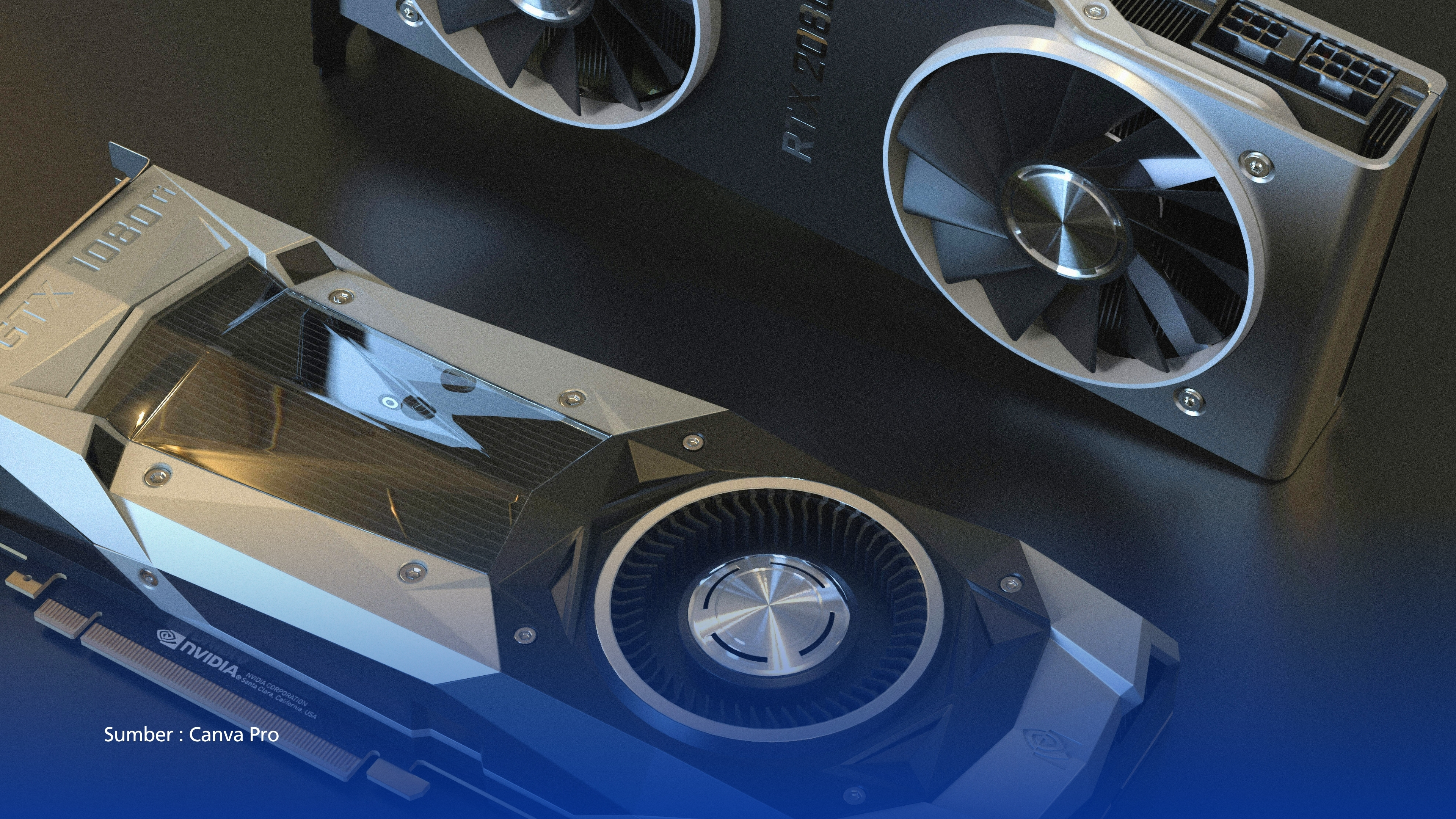
When UNDIRA students operate devices such as smartphones, personal computers (PCs), or laptops—whether to complete tasks like editing and programming or simply to unwind by playing games—there are several key components working behind the scenes to ensure that programs run properly.
In everyday device usage, two hardware components often take center stage: the CPU and the GPU. Although both serve as control units that sustain the operation of the system and its applications, they fundamentally perform different roles.
The CPU, or Central Processing Unit, is essentially the “brain” of a device. It executes the instructions required by the operating system and also manages resource allocation to ensure the device operates efficiently. Today, a wide range of high-end CPU units is available, including the Intel Core Ultra series, Snapdragon 8 Elite chipset series, as well as processors from AMD and MediaTek.
Despite being regarded as the “brain” that governs device performance, the CPU has certain limitations in terms of core count, which can restrict its ability to efficiently handle computationally intensive tasks such as graphic rendering, gaming, and AI-related processes like Machine Learning and Deep Learning.
On the other hand, the GPU, or Graphics Processing Unit, is specifically designed to process visual data and assist devices in handling graphic rendering and video editing tasks.
Beyond its capability to process large-scale graphical data, the GPU’s strength lies in its multiprocessor architecture, as it typically contains far more cores than a CPU. This enables it to execute multiple instructions in parallel, making it particularly well-suited for AI operations, especially in Machine Learning and Deep Learning applications.
Furthermore, to maintain optimal performance under heavy workloads, many modern GPUs—particularly those found in high-end gaming PCs and laptops, such as the NVIDIA 5090 series—are equipped with dedicated cooling systems, including built-in fans, to regulate temperature during operation.
However, due to their substantial processing power and hardware density, most GPUs also tend to consume significantly more power compared to CPUs.
Even though GPUs have more cores than CPUs, a computer cannot function using only a GPU, as the system relies on the CPU’s “intelligence” to manage overall operations. Conversely, without a GPU, a computer would struggle to handle visual workloads or large-scale data computations efficiently. The combination of both CPU and GPU is therefore essential for achieving optimal device performance—whether for productivity, entertainment, or advanced technological development such as artificial intelligence.
Therefore, a proper understanding of CPUs and GPUs not only broadens our knowledge, but also helps us make informed decisions in selecting devices that align with our needs in an increasingly complex digital era, particularly amid rising device prices driven by market inflation.but also aids in selecting the right device in today’s increasingly complex digital era.
Source of References:
CPU vs. GPU untuk machine learning
CPU vs GPU: Opsi Canggih untuk Kebutuhan Komputasi Anda - Intel Official Website
(Danang Respati Wicaksono / Humas UNDIRA)
Press Contact :
Biro Humas & Sekretariat Universitas Dian Nusantara
Facebook : www.facebook.com/undiraofficial
Instagram : www.instagram.com/undiraofficial
Twitter : www.twitter.com/undiraofficial
www.undira.ac.id
Other

Eid al-Adha 1445 H: Strengthening Social Ties through UNDIRA Qurban Animal Slaughtering activities
Read more
Committed to Enhancing Gen Z’s Academic Writing Competence: FBIS UNDIRA Holds International Guest Lecture with Universiti Malaysia Terengganu and Universiti Malaya
Read more
Premiere: Photography Exhibition of Communication Science Students of Dian Nusantara University
Read more
Campus Tanjung Duren
Jln. Tanjung Duren Barat II No. 1
Grogol, Jakarta Barat. 11470
Campus Green Ville
JIn. Mangga XIV No. 3
Campus Kranggan
Jln. Raya Kranggan, No.6,
Jatiraden, Kec. Jatisampurna, Bekasi. 17432


