

Research and Innovation

Exploring the Potential of Video Games in Education, UNDIRA Student Designed an Interactive Game “Match Them Up”


 By :
By : .jpg)
Video games have the potential to support the world of education as a whole. In the field of education, video games offer interactive learning, where players can not only complete various activities in the game using their imagination, but they are also trained to develop creative problem-solving skills.
However, there is a problem in that not all video games contain optimal learning values, especially for the early age demographic. Currently, the video game industry tends to direct development towards the adult and adolescent demographics. Furthermore, the majority of games today also carry a cash grab philosophy or marketing patterns that tend to prioritize aggressive monetization.
Referring to the problems and potential of video games in supporting the learning of the early age demographic, one of the students of the Informatics Engineering Study Program at Dian Nusantara University (UNDIRA) participated in developing a solution in the form of an educational game application with the aim of giving children freedom and interactive learning through video games intended for Intensive Edu tutoring students.
There is also a video game in the form of a Match Them Up type - a game that focuses on matching pairs of items such as animal pictures, objects, vegetables and fruits, or body parts with words. The game method is drag-and-drop, which adds interactivity for players.
Through analysis and literature studies, observation and extensive interviews, the project was initiated. Using the prototype or prototype modeling principle, UNDIRA IT students also designed games based on Unified Modeling Language, or simply put, concept visualization to facilitate workflow and overall concept development.
The process of designing this scheme has its own complexity. Development was carried out using Adobe Photoshop for the creation of visual assets and Unity Engine as the main foundation of the game. Furthermore, the game logic was structured using the JavaScript and C# programming languages to ensure the game could function optimally.
However, before entering the finalization and testing stages, there was one problem: repetition. As with most games, repetition will be felt by every player gradually, and this will have a significant impact on the Match Them Up game, which is based on a quiz.
Children can slowly memorize both visual and quiz question patterns. This will reduce their interest in playing and erode their interest in learning. In order to increase effectiveness and ensure that children do not memorize the same answer patterns, the game design also implements the Fisher-Yates algorithm (Knuth Shuffle).
This algorithm was chosen because of its inherent nature, which ensures a natural randomization of images and quizzes—in short, it creates random elements in the game to prevent repetitiveness. As a result, with all the design and bug testing completed, it has been proven that the visualization and interactivity elements in the game are able to provide a fun learning space for children.
Research conducted at Bimbel Intensive Edu breaks the stigma that games are a waste of time. With a satisfaction rate of 100% among respondents, UNDIRA Information Technology students have proven that a technological approach using Fisher-Yates algorithm-based video games can maintain the relevance and appeal of teaching materials for early childhood education.
Match Them Up is not just an application, but a breakthrough in adaptive teaching methods. This highlights the vital role of Information Technology students in designing a bridge between the digital world and basic educational needs. Video games, therefore, have transformed into strategic partners for teachers in shaping a smart and creative generation.
Source of Reference:
(Danang Respati Wicaksono / Humas UNDIRA)
Press Contact :
Biro Humas & Sekretariat Universitas Dian Nusantara
Facebook : www.facebook.com/undiraofficial
Instagram : www.instagram.com/undiraofficial
Twitter : www.twitter.com/undiraofficial
www.undira.ac.id
Other
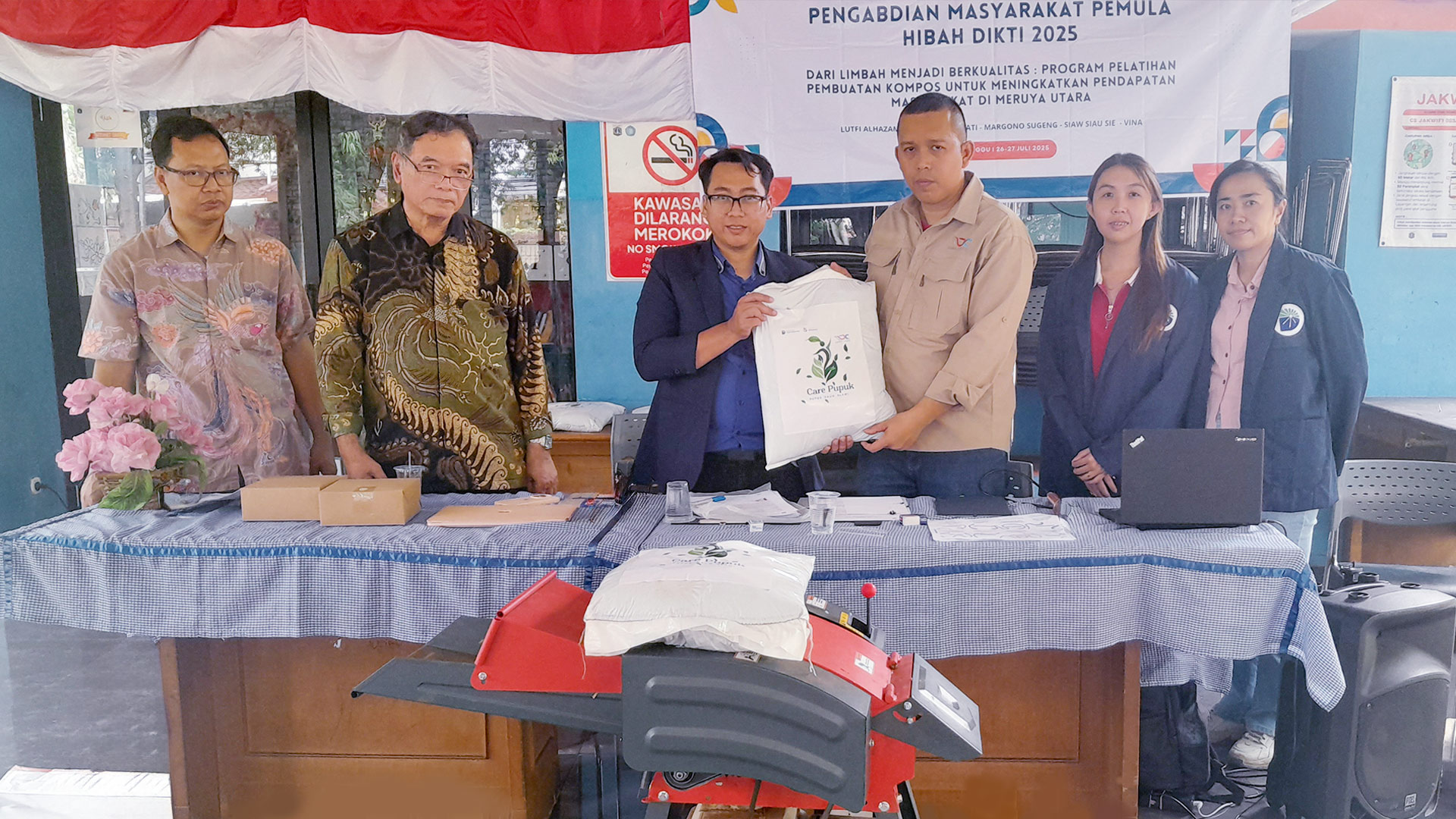
From Mere Dry Leaves into Marketable Commodities: UNDIRA and Democare Empower Residents of Meruya Utara to Increase Their Income
Read more
The Benchmark Interest Rate as a Monetary Policy Instrument: Its Impact on Inflation, Exchange Rates, and Economic Activity
Read more
Expanding Knowledge of the Investment World: Management Students Conduct a Study Visit to IDX
Read more
Campus Tanjung Duren
Jln. Tanjung Duren Barat II No. 1
Grogol, Jakarta Barat. 11470
Campus Green Ville
JIn. Mangga XIV No. 3
Campus Kranggan
Jln. Raya Kranggan, No.6,
Jatiraden, Kec. Jatisampurna, Bekasi. 17432


