

Article

The Genius Behind Mahjong: How Marketing Communication Strategy Reaches Across Demographics


 By :
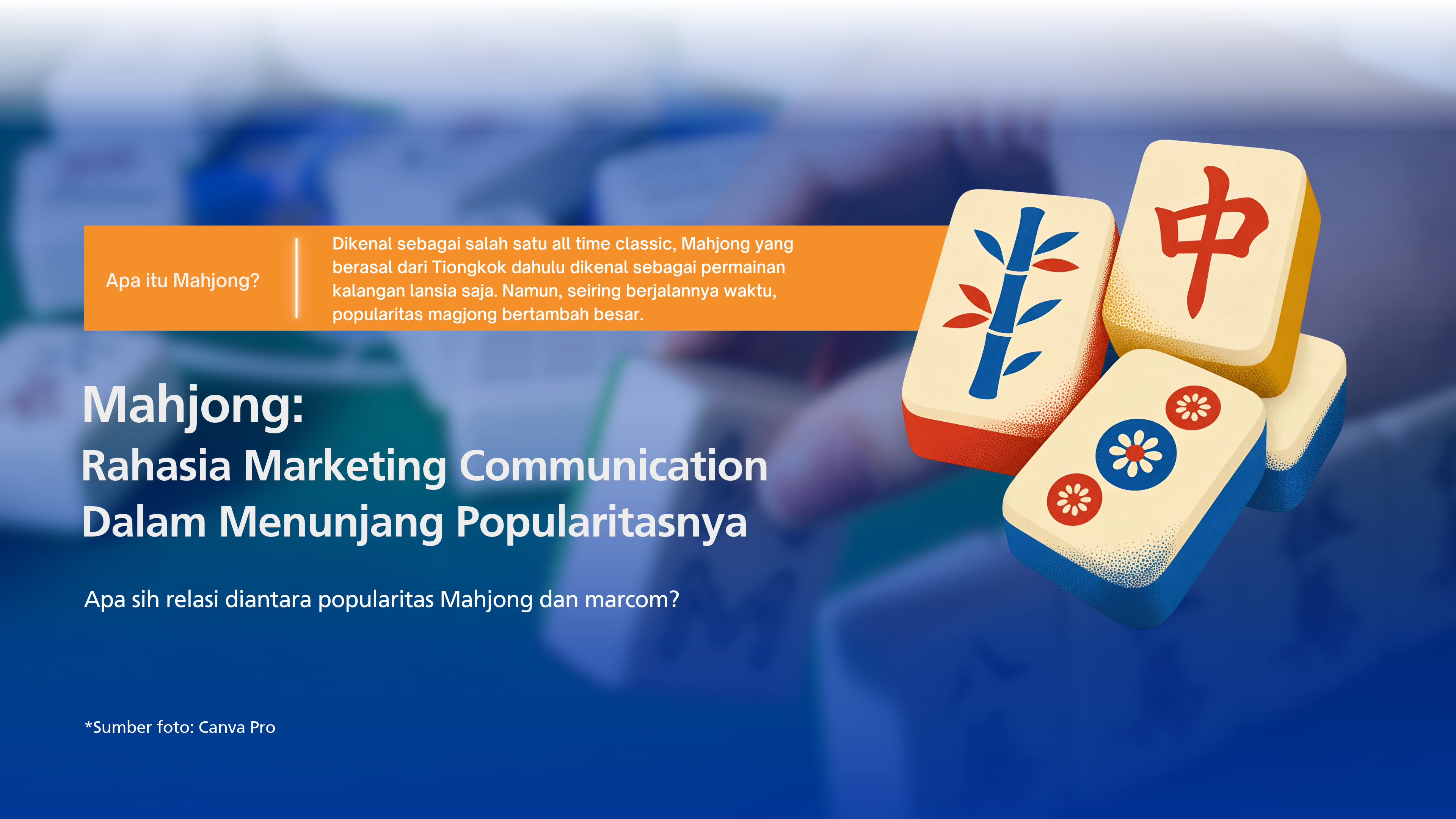
Traditional games are no longer dismissed as relics of the past. They have become part of pop culture and a source of income for many players in the industry, from tile set manufacturers to app developers and tournament organizers. Among the classic games enjoying a revival, from family gatherings and cafés to digital platforms, mahjong stands out as one whose popularity keeps climbing, not only among millennials but also among Gen Z. So what is the secret behind mahjong's marketing success today?
Mahjong, or májiàng (麻將), is a tile game from China, usually played by three to four people. Part of its appeal is that players take turns drawing and discarding tiles to build specific combinations, so no one knows exactly which tile will come next.
Now that we have covered the basics and a little history, what lets mahjong hold on to so many players in a crowded modern entertainment market? The answer lies in its marketing communication. You can think of it as a chain reaction: it begins with the playing experience and visual elements that draw people in, moves through the game's accessibility, and arrives at a model of play built around social interaction and strategy, which in turn supports long-term sustainability.
Mahjong takes a cross-format approach. It can be enjoyed with a physical set on the family table, in cafés, and at community clubs, or on digital platforms. This communicates, almost effortlessly, that mahjong is open to everyone, from generations who play it as a tradition to young people who first encountered it through films like Crazy Rich Asians (2018). Its presence on social media today has helped turn mahjong into more than just an "old folks' game." It is gradually being repositioned as a game for all ages, even outpacing the current popularity of padel.
Next, to understand how effective mahjong's marketing communication is, especially the role of User Generated Content (UGC) in promoting the game, we can turn to the Elaboration Likelihood Model (ELM). This theory holds that people can be persuaded through two routes: the central route, where they think logically and weigh the content of a message, and the peripheral route, where they are drawn in by visual packaging, emotion, or the sheer fun on display. When creators post gameplay videos or live-stream mahjong, both routes go to work at once. The visual aesthetics, the satisfying clack of the tiles, and the euphoria of a player shouting "Hu!" trigger the peripheral route, building hype and inviting viewers to share in the excitement. Behind that excitement, the strategy and surprises in every round engage the central route, convincing prospective players that mahjong is a tactical game that is both fun and personal.
Building on this, Tversky and Kahneman (1973) explain that mahjong's growing popularity is also supported by the availability heuristic. Put simply, when many people watch clips of winning moments and find the game welcoming and easy to approach, this directly drives more traffic and interest, as more newcomers want to try it for themselves. Because mahjong appears at so many touchpoints, from family tables, cafés, and apps to films and social media feeds, it also becomes an easy choice that readily comes to mind when people are looking for a game to play together.
In the end, the story of mahjong shows that marketing communication is not just about selling a product. It is about designing the product's presence in people's everyday lives and in their minds. The impressions and playing experiences created through its many communication formats help spread its story and reinforce the perception that mahjong, though a niche pursuit, can still hold its ground today.
Source of References:
Stanford Department of History - From China to U.S., the game of mahjong shaped modern America, says Stanford scholar
(Danang Respati Wicaksono / Humas UNDIRA)
Press Contact :
Biro Humas & Sekretariat Universitas Dian Nusantara
Facebook : www.facebook.com/undiraofficial
Instagram : www.instagram.com/undiraofficial
Twitter : www.twitter.com/undiraofficial
www.undira.ac.id
Other
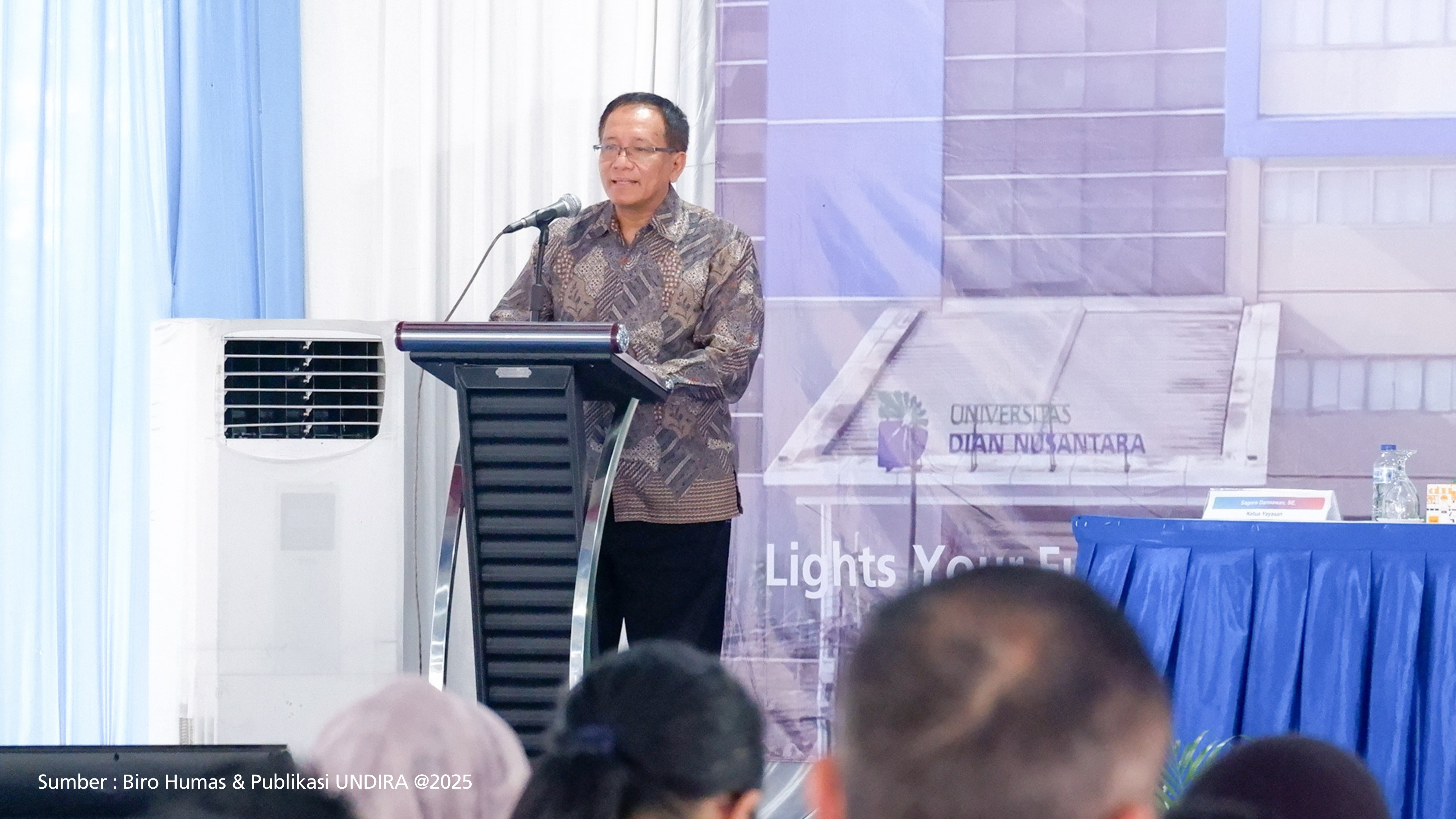
Potential and Challenges of Generative AI in Academic Environment: UNDIRA Presents Guest Lecture
Read more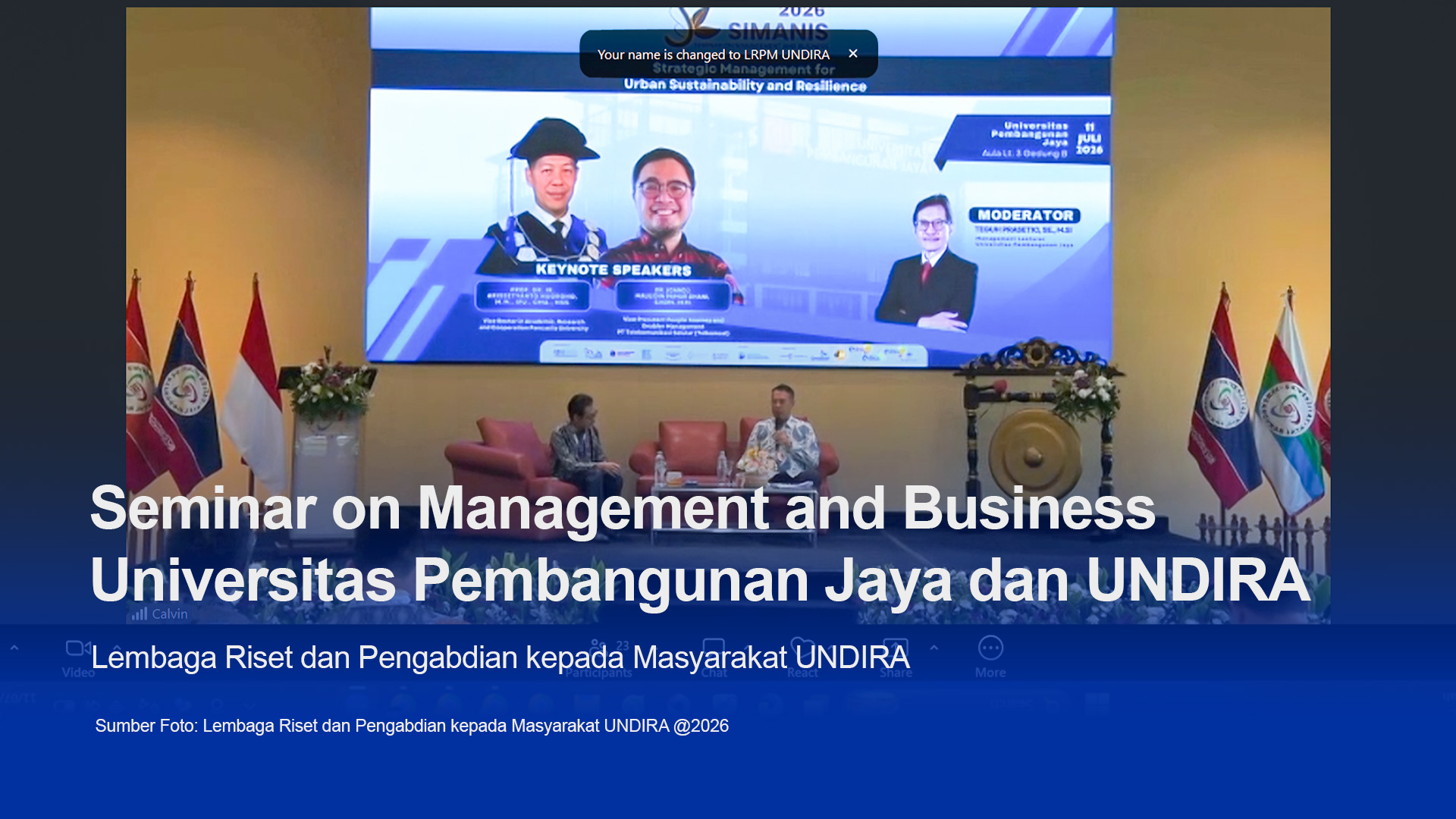
Strengthening Academic Collaboration, UNDIRA Serves as Co-Host of SIMANIS 2026 and Presents Nine Research Papers
Read more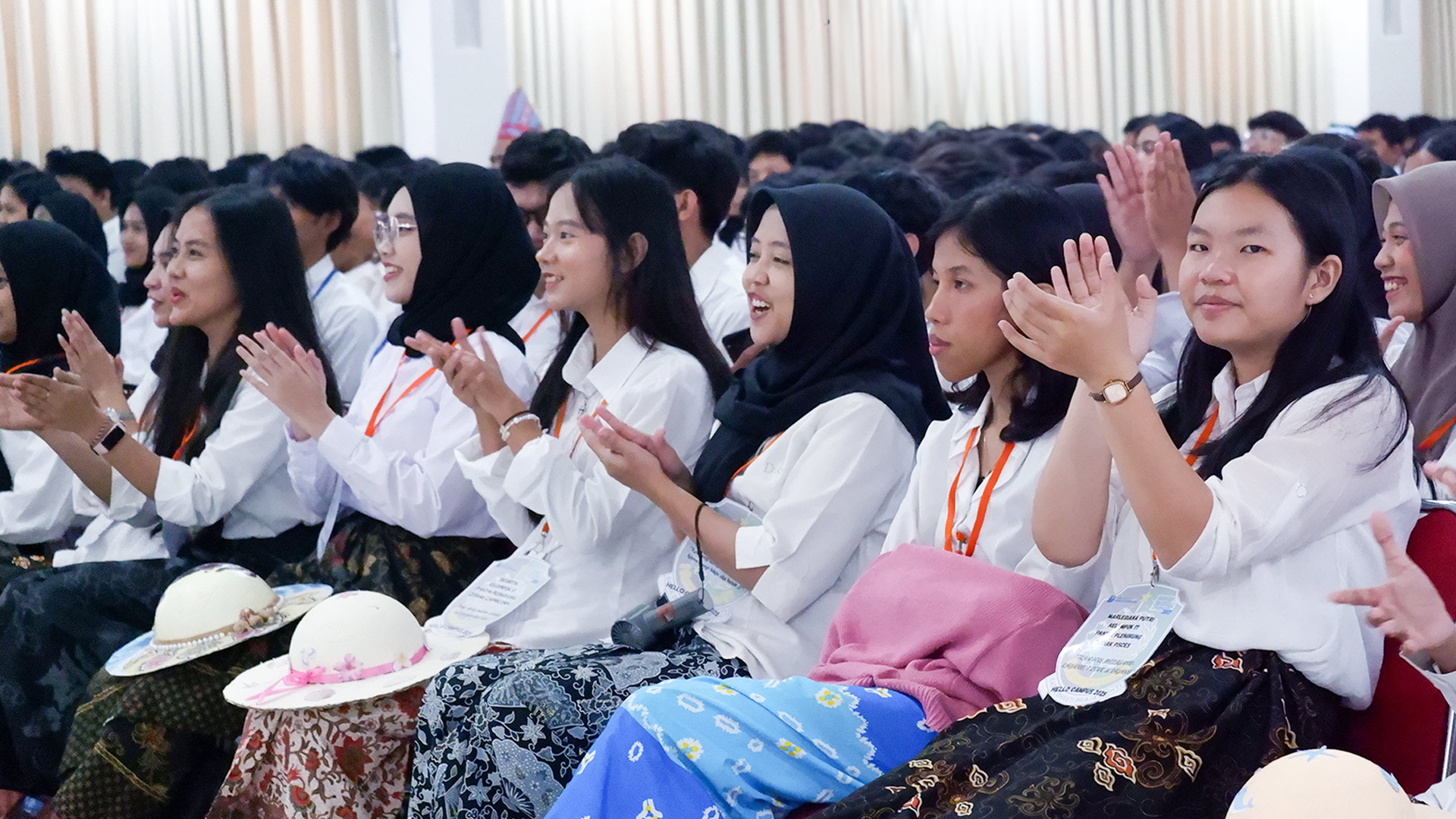
Welcome to Campus V.I.P., Universitas Dian Nusantara! Starting College Life at Hello Campus
Read more
Campus Tanjung Duren
Jln. Tanjung Duren Barat II No. 1
Grogol, Jakarta Barat. 11470
Campus Green Ville
JIn. Mangga XIV No. 3
Campus Kranggan
Jln. Raya Kranggan, No.6,
Jatiraden, Kec. Jatisampurna, Bekasi. 17432


