

Article

From Signals to Data: Understanding the Fundamentals of How a Lawful Interception Management System Works


 By :
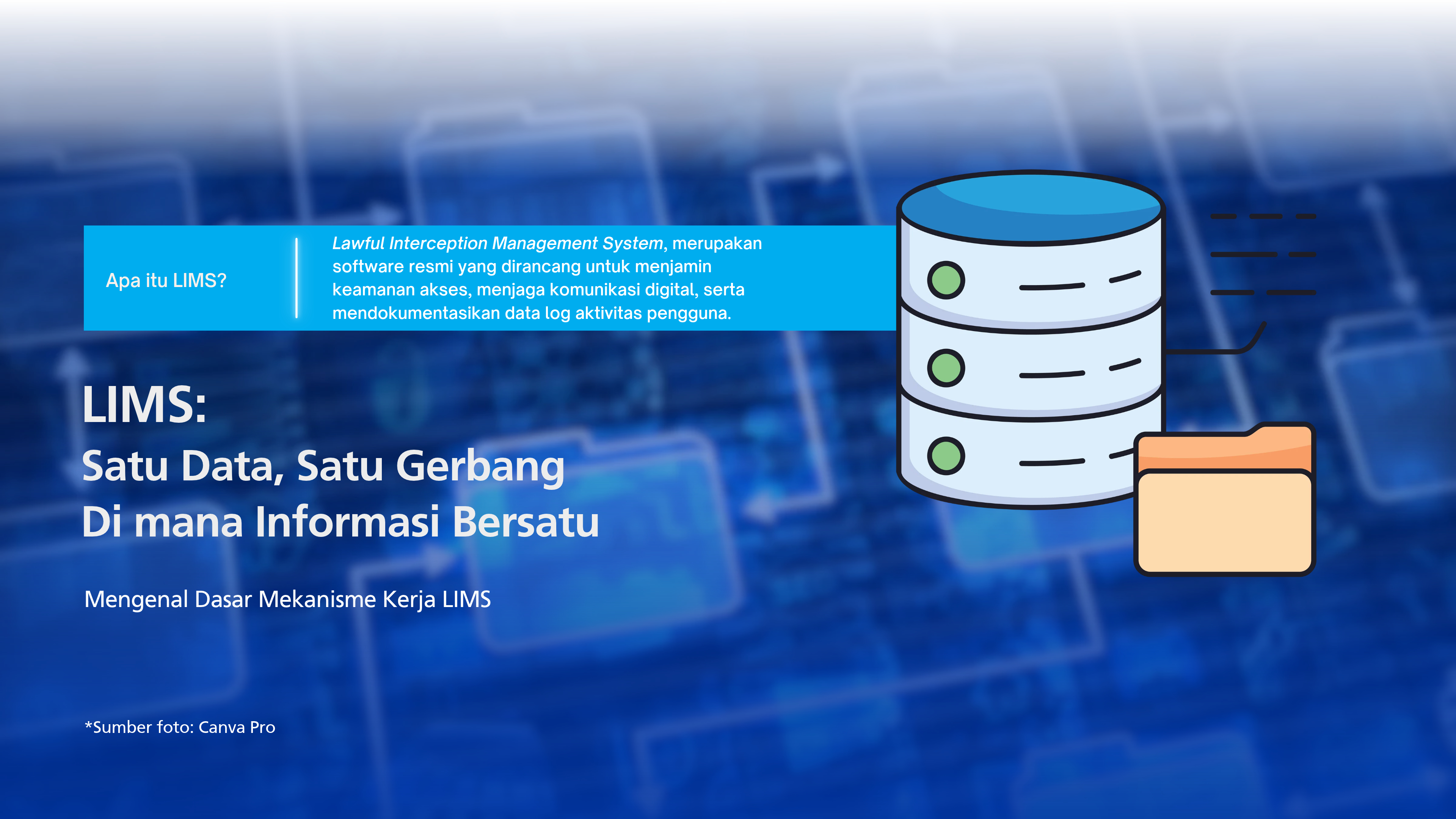
In everyday life, Generation Z is closely connected to telecommunications devices and an increasingly interconnected digital ecosystem. Through integrated networks, our devices constantly exchange data, both actively and passively, to synchronize databases and personalize content. This raises an important question: When such vast amounts of data are being exchanged, what measures are in place to protect our cybersecurity and personal privacy? This is where the Lawful Interception Management System (LIMS) comes into play.
LIMS is not a new technology in cybersecurity and digital communications. This large-scale, officially regulated software system is designed to ensure authorized access, safeguard digital communications, and document user activity logs. However, it is important to emphasize that LIMS cannot be used arbitrarily, friends of UNDIRA.
Unlike spyware such as Pegasus, which can infiltrate devices and gain unrestricted access to a wide range of information, including encrypted data, LIMS operates within a much more limited scope through mobile network operators' infrastructure. It cannot access encrypted applications such as WhatsApp and Google Workspace, retrieve visual content such as images or video calls, or alter or manipulate users' data.
LIMS is limited to services operating within telecommunications networks and generally handles two categories of data:
-
IRI (Intercept Related Information): Supporting information such as the identities of users and their communication counterparts, timestamps, communication duration, smartphone location, and IP addresses.
-
CC (Content of Communication): The actual content of voice calls, SMS messages, or regular internet data transmissions.
According to a cybersecurity study conducted by the University of Zagreb, Croatia, network monitoring must be adapted to the system's scalability to ensure that users can continue enjoying their services without technical disruptions (Parlov et al., 2021).
Now that we have covered the basic principles and definitions of LIMS, how exactly does the system work? In simple terms, LIMS operates behind the scenes through several stages.
First, data transmitted from a user's device is routed through a Base Transceiver Station (BTS), commonly known as a mobile network operator's cell tower. Second, the data and subscriber information transmitted through the BTS can be duplicated within the core network, provided that the interception request has received the necessary legal authorization. Third and finally, the data continues along its usual communication route through the operator's network while a copy is simultaneously forwarded to the LIMS server for monitoring and documentation. This process is designed to take place without causing unusual signal behavior or disrupting the operational performance of users' devices.
Essentially, LIMS serves as an officially regulated mechanism that allows communication monitoring for law enforcement purposes to be conducted lawfully, systematically, and within clearly defined boundaries. Given its limited scope within telecommunications infrastructure and its reliance on strict authorization procedures and auditing, LIMS should not automatically be regarded as spyware or a technology to fear without proper understanding. Being critical and vigilant about digital security is certainly important, provided that our concerns are grounded in accurate, verified technical information. Keep reading, keep growing, friends, of UNDIRA.
Sources of Reference:
Journal of Information Security, University of Zagreb, Croatia - Parlov, N., Sičaja, Ž., Katulić, T., & Luša, R. (2021). Information security and the lawful interception of communications through telecom service providers' infrastructure: Advanced model system architecture. Policija i sigurnost, 30(1), 112–130.
ScienceDirect - Department of Electrical and Information Engineering, Politecnico di Bari, Italy - Ingrid, Huso, Olivieri, Marco, et.al. Design and implementation of a forward-looking lawful interception architecture for future mobile communication systems
Cara Kerja dan Implementasi Sistem Software LIMS
CNN Indonesia - Bagaimana Cara Kerja LIMS Untuk Monitoring Komunikasi Digital?
Wawancara Dengan Bapak Anrie Suryaningrat, S.Si., MT.I. -, Dosen Teknik Informatika UNDIRA
(Danang Respati Wicaksono / Humas UNDIRA)
Press Contact :
Biro Humas & Sekretariat Universitas Dian Nusantara
Facebook : www.facebook.com/undiraofficial
Instagram : www.instagram.com/undiraofficial
Twitter : www.twitter.com/undiraofficial
www.undira.ac.id
Other


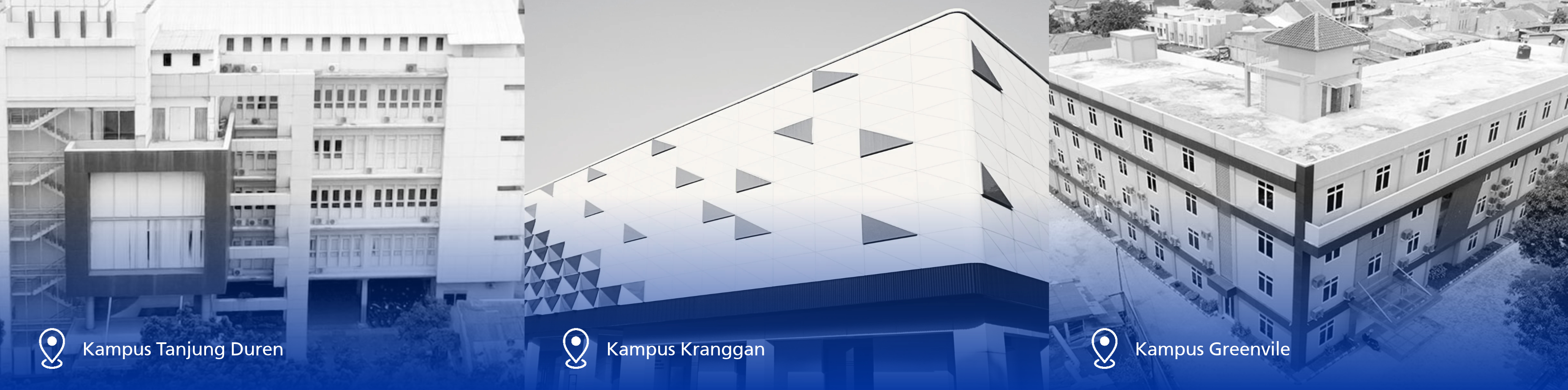
Campus Tanjung Duren
Jln. Tanjung Duren Barat II No. 1
Grogol, Jakarta Barat. 11470
Campus Green Ville
JIn. Mangga XIV No. 3
Campus Kranggan
Jln. Raya Kranggan, No.6,
Jatiraden, Kec. Jatisampurna, Bekasi. 17432


