

Article

Beyond Human Identity: Understanding What Drives People to Act and Desire


 By :
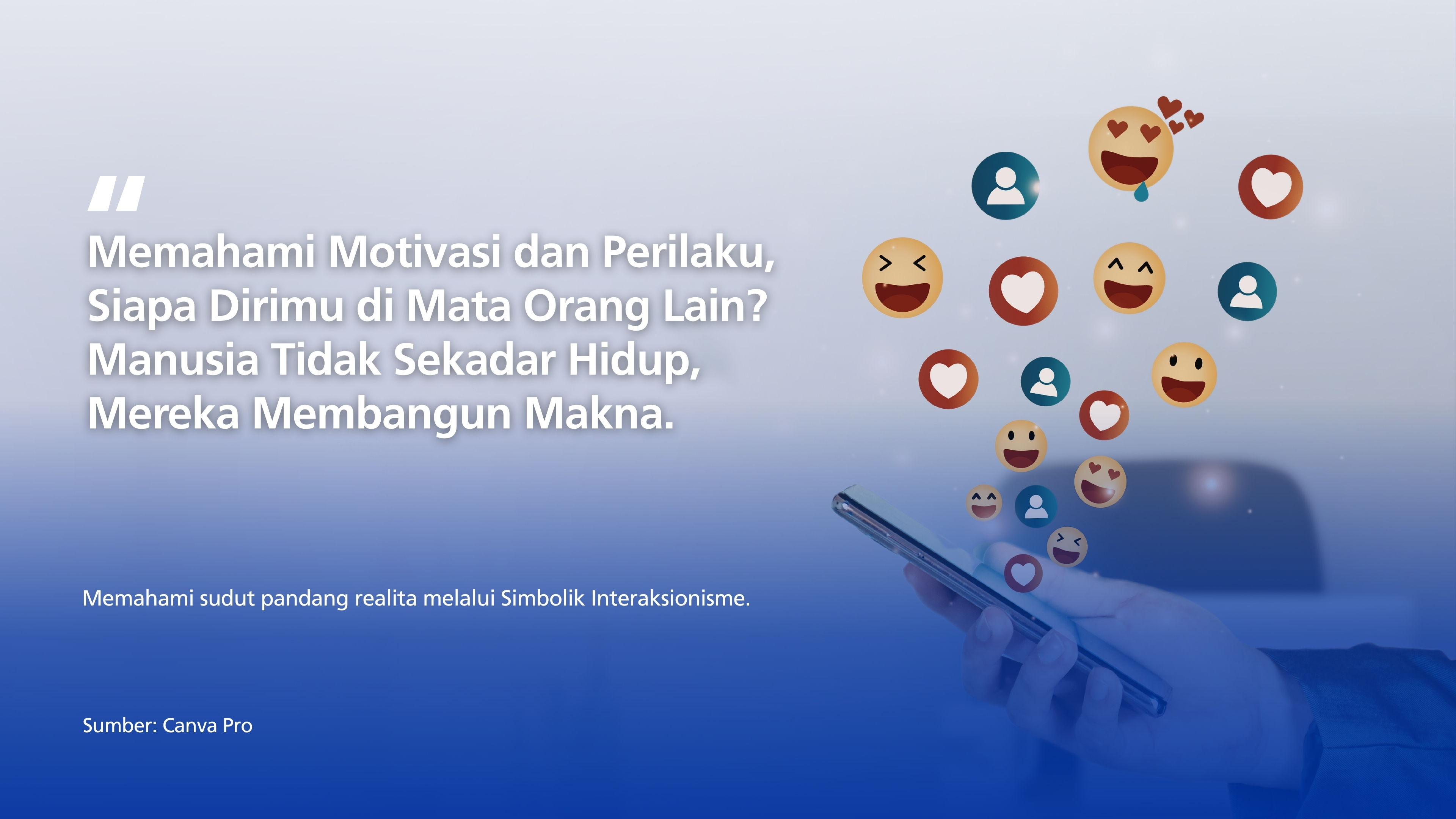
Sometimes, when we take a moment to sit back and observe the people passing by, we notice that some are rushing to attend an event they have been looking forward to for a long time, while others are carefully preparing meaningful gifts, not for themselves, but for someone important in their lives. These seemingly ordinary moments reveal something deeper: stories and meaning. Even from such simple observations, a sense of curiosity begins to emerge. Why are they so certain about the goals they pursue or the activities they choose to take part in? Where does the motivation come from that makes people willing to invest their time and energy in doing or giving something to others? These questions may seem like pieces of a puzzle with no clear answers. However, through the perspectives of social psychology and communication studies, we can begin to uncover some rather insightful explanations.
Understanding human beings and their actions requires more than simply observing what they do or purchase at face value. As rational beings, humans possess a cognitive construct known as belief. According to the 2026 journal publication Belief and the Human Mind: A Neurocognitive and Psychological Review of Belief as a Human Construct, belief is closely intertwined with many of the human capacities that allow us to understand reality and motivate personal growth, extending far beyond the boundaries of logical reasoning alone.
In his 1889 book Twilight of the Idols, Friedrich Nietzsche emphasized that conviction can also emerge when individuals begin to question the reasons behind their existence and experiences. By asking "why" and developing an understanding of "how", individuals can gradually establish their own convictions and the determination to pursue them.
Drawing on Social Psychology: Ninth Edition by John D. Delamater and Jessica L. Collett, these seemingly simple and perhaps insignificant questions are, in fact, closely connected to a field of social psychology pioneered by social psychologist George Herbert Mead and later developed by Herbert Blumer: symbolic interactionism. The theoretical perspective discussed in the book highlights that human thought, behavior, and social reality do not simply emerge on their own. Rather, they develop through the ways individuals interpret symbols, communication patterns, objects, and even the people around them.
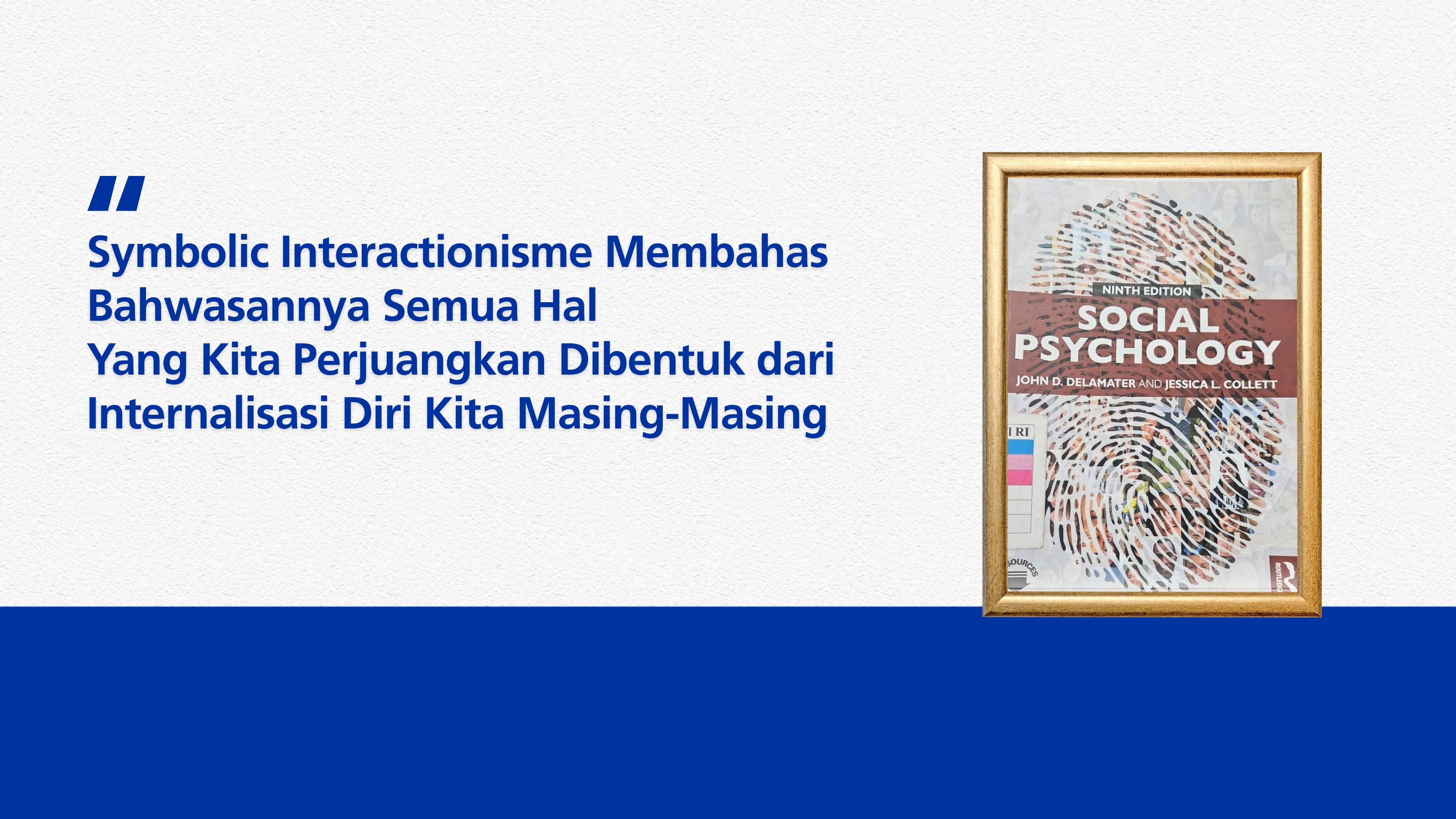
Furthermore, according to Blumer (1969), the process of constructing meaning within the social world involves communication and social interaction between individuals. Through these interactions, people develop interpretations, while meanings are continuously examined, understood, and reshaped through the process of thinking. The underlying connection lies in how individuals associate concepts with the information they receive, eventually enabling them to answer the questions of "why" and "how" as they work toward a particular outcome. After all, motivation rarely emerges without some form of meaning attached to it. One simple example can be found in the use of stickers and emoticons in digital conversations, which gradually establish shared meanings among users across social platforms.
Through communication and social interaction, symbols and objects help shape our perceptions, perspectives, and motivations for social behavior. Referring once again to Social Psychology: Ninth Edition, we can understand that human actions are rooted in the meanings individuals attach to their experiences. This also means that there is no universally fixed standard of right or wrong when it comes to interpreting a particular symbol, as its meaning may differ depending on one's social context and personal understanding. Although human decisions and behaviors may sometimes appear difficult to comprehend through logic alone, there is often a deeper layer of meaning behind them, shaped by everyday interactions, communication, and social exposure.
Sources of Reference:
John D. Delamater dan Jessica L. Collett. 2018. Social Psychology: Ninth Edition. Perpustakaan Nasional RI
Ardhianzy, YouTube - Tidak Semua Penderitaan Ada Hikmahnya, Lalu…
(Danang Respati Wicaksono / Humas UNDIRA)
Press Contact :
Biro Humas & Sekretariat Universitas Dian Nusantara
Facebook : www.facebook.com/undiraofficial
Instagram : www.instagram.com/undiraofficial
Twitter : www.twitter.com/undiraofficial
www.undira.ac.id




Campus Tanjung Duren
Jln. Tanjung Duren Barat II No. 1
Grogol, Jakarta Barat. 11470
Campus Green Ville
JIn. Mangga XIV No. 3
Campus Kranggan
Jln. Raya Kranggan, No.6,
Jatiraden, Kec. Jatisampurna, Bekasi. 17432


