

Article

Material Study 101: More Condensed Than Steel, More Heat-Resistant Than Titanium, Uncovering the Secrets of Tungsten


 By :
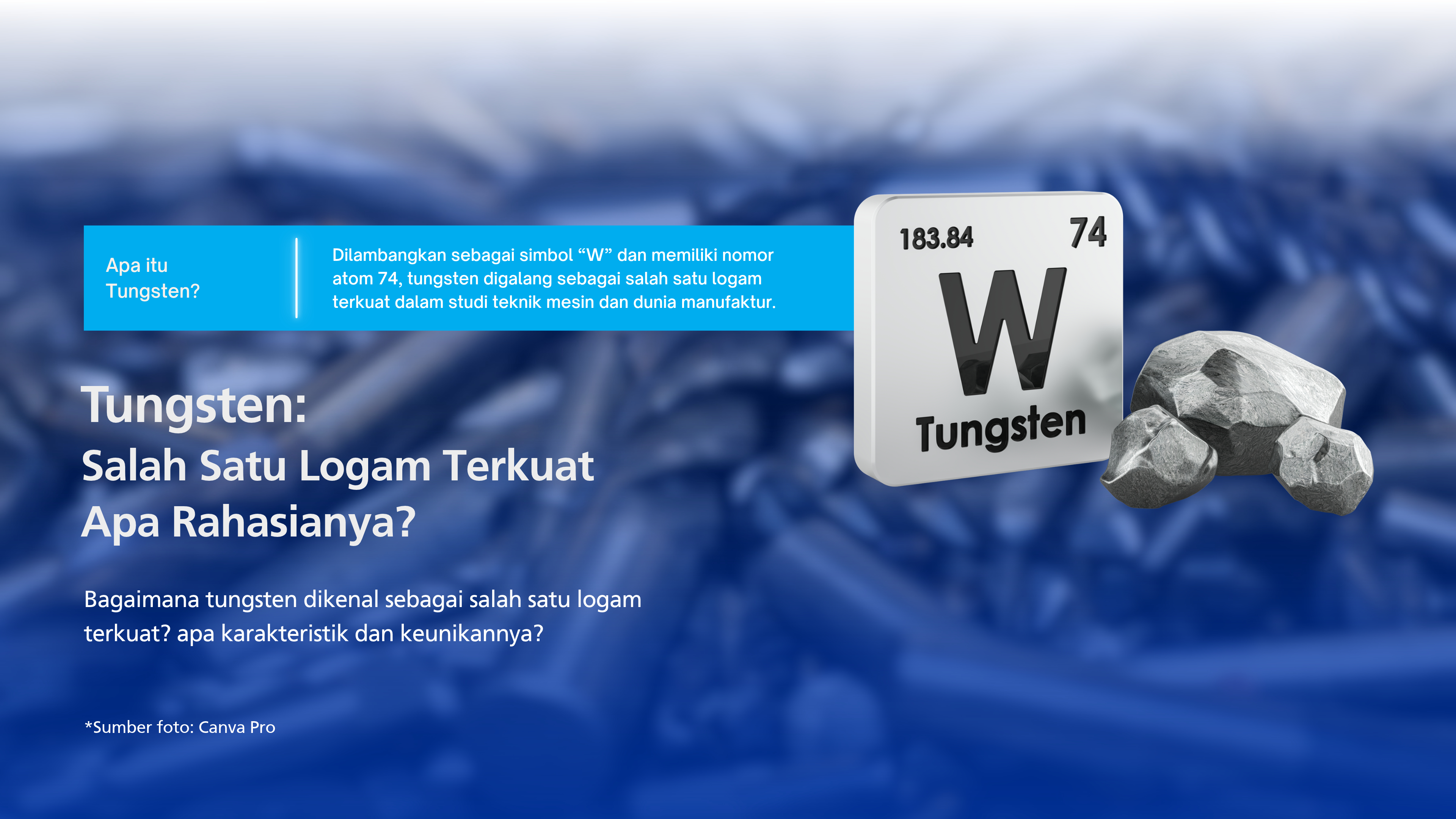
In nature, tungsten is often found alongside other elements and minerals such as tin, molybdenum, and bismuth, which means it doesn’t always exist as a pure metal. On the periodic table, it’s represented by the symbol “W” and has an atomic number of 74. Interestingly, tungsten is extracted from two main ores: scheelite (CaWO₄) and wolframite ((Fe, Mn)WO₄). In 1847, thanks to a patent granted to Robert Oxland, tungsten finally began to be used on a large scale in industry and manufacturing.
Tungsten is well known for its high hardness (second only to materials like diamond and graphene), and for good reason, UNDIRA friends. It holds the record for the highest melting point among metals, withstanding temperatures of around 3,422 °C (6,192 °F), while a material like titanium melts at just 1,668 °C. It’s also one of the densest materials out there, reaching 19.25 g/cm³ (19,250 kg/m³), which makes it a fairly heavy metal. Pure tungsten is quite scratch-resistant too, scoring 7.5 on the Mohs scale. (For the record, tungsten carbide, which is tungsten combined with carbon during manufacturing, can reach 8.5, getting close to the Mohs hardness of diamond at 9 to 10.) On top of that, tungsten conducts heat and electricity reasonably well, though not as well as copper.
Chemically speaking, tungsten resists most of the acids, bases, and water that would corrode ordinary metals. It also doesn’t react with oxygen at normal room temperature, which means it can sit in any room without cracking or deteriorating with age (though if it’s oxidized by heat, it turns into a yellow powder called tungsten trioxide, WO₃). All of this confirms tungsten’s standing as a high-value metal, and definitely not a cheap knockoff.
Manufacturing tungsten is a step-by-step process, and a demanding one at that. The first stage usually involves crushing the ore and separating the tungsten from other metals using magnetic separation or shaking tables to obtain pure tungsten. Next, the tungsten is oxidized to produce tungsten trioxide (WO₃) powder, which can then be purified further. After that, the tungsten trioxide is reduced with hydrogen gas to become pure tungsten metal powder, which is then mixed with carbon if the manufacturer wants to make tungsten carbide. The next stage involves compacting the metal powder and sintering it at temperatures below its melting point (around 2,000 to 2,500 °C). At the end of the process, the sintered tungsten goes through hot mechanical working using swaging, rolling, and forging. The end products of tungsten manufacturing can be found in a wide range of tools and equipment, including CT scanner tubes, missile and rocket components, armor-piercing rounds, and drill bits (which generally use tungsten carbide).
Okay, we know tungsten has quite a few strengths, but like any material, it has its weaknesses too. First, tungsten is fairly brittle. That said, this isn’t caused by its BCC (body-centered cubic) crystal structure, which is actually much more loosely packed than the FCC (face-centered cubic) structure found in metals like gold and copper. Tungsten’s brittleness comes from the extremely strong bonds between its atoms, which make it hard to shape at room temperature. Second, tungsten is heavy. As an accessory, it’s heavier than diamond because of its density. Third, its extremely high melting point means that making it takes a great deal of energy, along with highly specialized furnaces and equipment. As a result, production costs and energy requirements are high, which makes the process less economical and less environmentally friendly.
In this edition of Material Study 101, we learned together that although tungsten comes close to diamond in quality, it isn’t the top-tier manufacturing material we may have expected it to be after seeing how it compares with materials like steel and titanium. For UNDIRA friends who are interested in mechanical and manufacturing studies, the Mechanical Engineering program at Dian Nusantara University (UNDIRA) offers comprehensive learning facilities through its physics laboratory, where students can get hands-on training from UNDIRA’s skilled lecturers. Become the best engineer ever!
Sources of Reference:
Cube Chemistry, YouTube - Why Tungsten is ALMOST impossible to destroy?
TGPrecision tools - Apa itu tungsten karbida dan bagaimana cara membuatnya?
Seather Technology - Tungsten vs Baja Tahan Karat: Apa Perbedaannya?
Max-Planck Institute for Plasma Physics - Brittle material toughened – tungsten-fibre-reinforced tungsten
Elsevier Overview - Yang, Shiaoseng. 2018. Beneficiation studies of tungsten ores – A review. Volume 125 Minerals Engineering.
(Danang Respati Wicaksono / Humas UNDIRA)
Press Contact :
Biro Humas & Sekretariat Universitas Dian Nusantara
Facebook : www.facebook.com/undiraofficial
Instagram : www.instagram.com/undiraofficial
Twitter : www.twitter.com/undiraofficial
www.undira.ac.id


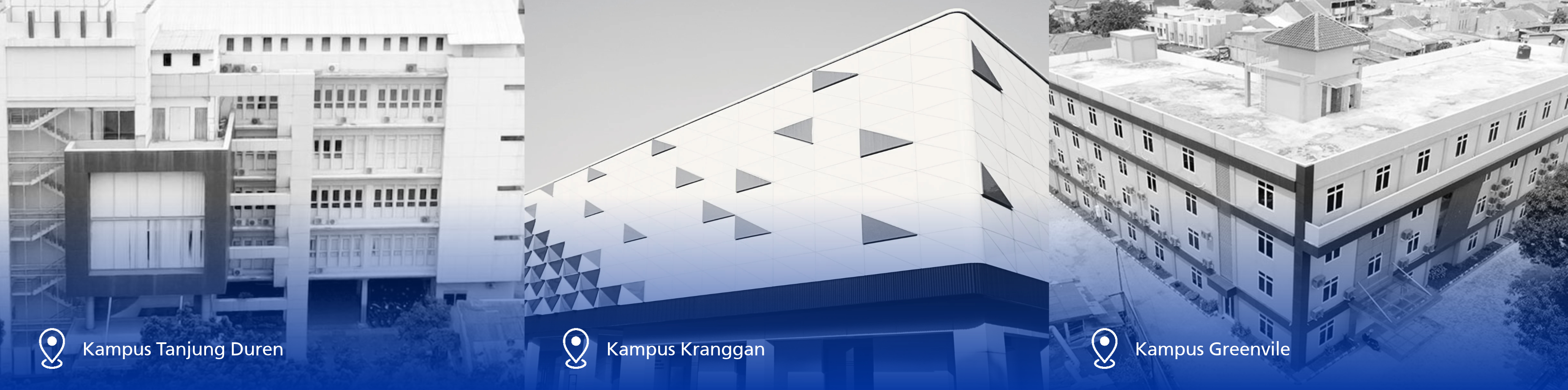
Campus Tanjung Duren
Jln. Tanjung Duren Barat II No. 1
Grogol, Jakarta Barat. 11470
Campus Green Ville
JIn. Mangga XIV No. 3
Campus Kranggan
Jln. Raya Kranggan, No.6,
Jatiraden, Kec. Jatisampurna, Bekasi. 17432


