

Article

A Reflection on National Father's Day: The Role and Meaning of Fatherhood in the Modern Era


 By :
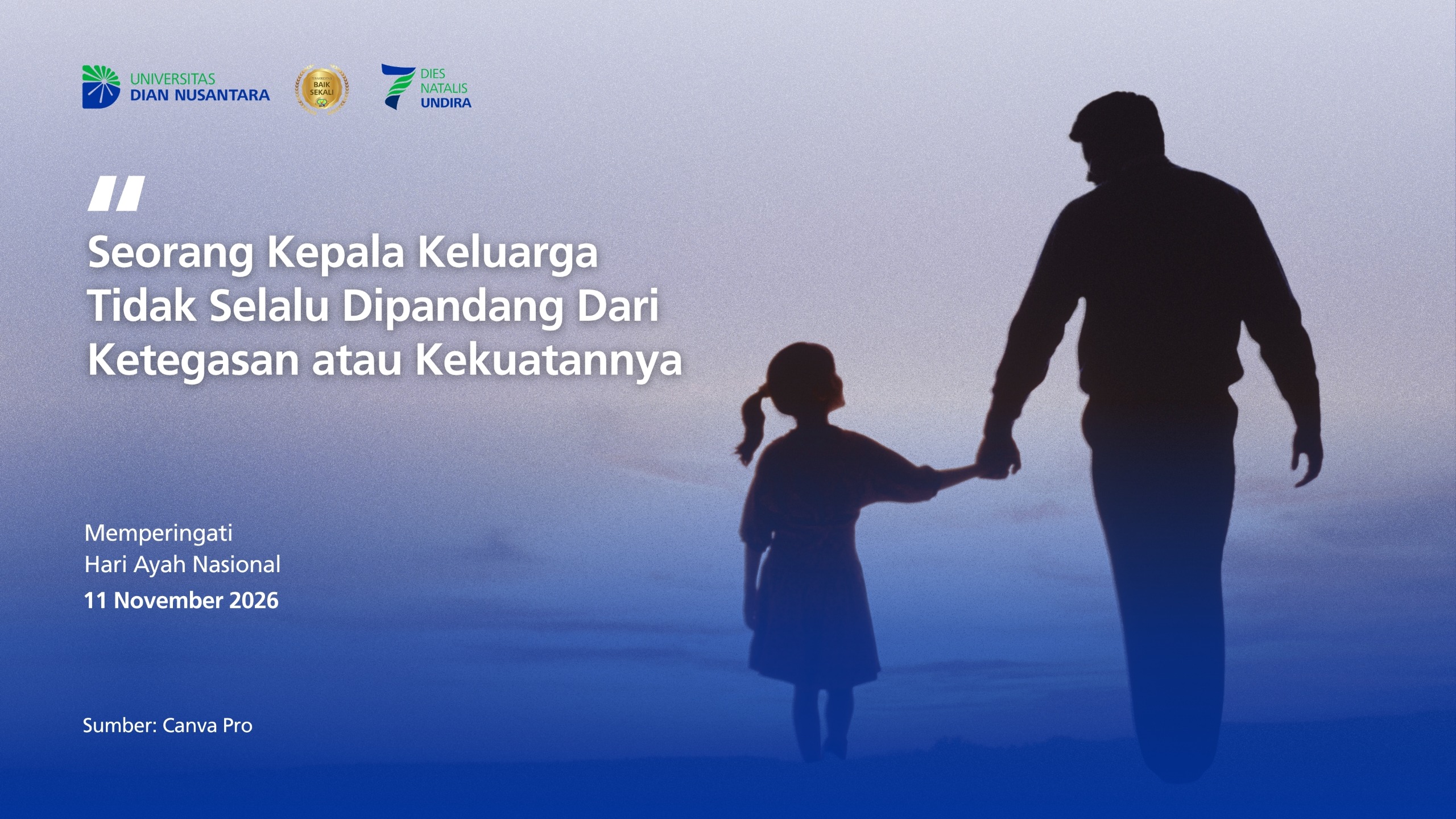
When we picture a father, what comes to mind? Someone who can do it all? The head of the family? Or perhaps someone who seems to have everything figured out? The answer is rarely straightforward, nor can it always be understood at first glance. After all, our image of fatherhood takes many different forms, shaped by changing generations and varying social structures.
For some, a father is seen as a true family man, someone who is always present for his family, leaving no room for absence, and who is comfortable expressing his vulnerabilities and shortcomings to those closest to him. Yet, the image of a father is often portrayed quite differently: as a tireless cog in a machine, constantly working without pause. To some, such dedication may seem obsessive or overly ambitious. But perhaps, behind his apparent absence, a modern father simply wants one thing: to see his family happy and to give his children the opportunity to enjoy the same experiences and quality of life as others their age.
In today's world, taking on the responsibilities of both a father and the head of a household can be an undeniably demanding role. For generations, fathers have been regarded as the backbone of the family, the primary providers, and the figures expected to maintain a reassuring and positive presence. Yet, in a world that moves at an increasingly relentless pace, modern society seems to demand that fathers remain physically resilient, emotionally unshaken, and mentally occupied at all times. A person's worth is often measured by their ability to provide, protect, and lead without hesitation, leaving them with little room to rest or reveal their vulnerabilities. They are expected to remain strong and stoic, all for the sake of their family and the image they uphold.
This expectation sometimes pushes fathers towards a rigid, almost iron-fisted approach to leadership, compelling them to take on every responsibility themselves rather than risk burdening their families or being perceived as inadequate family men. It is hardly surprising, then, that many fathers choose to remain silent. After all, silence can feel safer than admitting that they, too, are human and capable of breaking down.
Being a father, however, should not simply mean embodying an iron-willed leader. It also means being someone who can acknowledge, understand, and eventually make peace with his mistakes and past. It means being able to say something as simple as, "Haha, Dad is still learning too, you know," or even just, "I'm sorry." Such gestures do more than demonstrate humility within the family. They also teach children an invaluable lesson, as they grow into the very individuals who will carry forward the values instilled in them at home.
Being a good family man today also means making time for the people who matter. It means being fully present, without distractions or the constant demands of everyday life. Being present is not simply about sitting at the same dinner table, but about genuinely listening to the simplest stories, laughing together over little things, and allowing oneself the freedom to rest. Giving children the same opportunities and experiences as their peers certainly matters, but nothing leaves a deeper impression on a child than having a father who is truly there for them. A humble family is not measured by how much it owns, but by how sincerely its members care for and look after one another.
Ultimately, being a father does not mean becoming a cold, distant man who sees the world only through a narrow lens, fixated on reaching distant ambitions. After all, even the greatest ambitions are not necessarily what is best for a family. A father believes in his family: they are not burdens he must carry alone, but partners who are ready to move forward alongside him. He believes in the process: not everything needs to be accomplished today, and not every effort must produce immediate results. Just as importantly, he believes in himself: that his worth remains unchanged even when he takes a break, even when he is not producing or achieving anything.
Happy National Father's Day, Kawan UNDIRA! To all the young men reading this today, what kind of fathers do you hope to become one day? And if your father, who would have eventually become a grandfather to your children, is no longer with you, what would you want to say to him today?
Sources of Reference:
Master Samwise and The Philosophy of Gaming - YouTube - We Must Be Better - The Beautiful Masculinity of Kratos in God of War
Ardhianzy - YouTube - To Have or To Be? Filosofi Erich Fromm
The Medium - The Modern Father: Present, Providing, and Still Caught in Between
(Danang Respati Wicaksono / Humas UNDIRA)
Press Contact :
Biro Humas & Sekretariat Universitas Dian Nusantara
Facebook : www.facebook.com/undiraofficial
Instagram : www.instagram.com/undiraofficial
Twitter : www.twitter.com/undiraofficial
www.undira.ac.id
Other
Enhancing Management Effectiveness and Efficiency: UNDIRA's Efforts to Maximize Academic Activities
Read more
Efforts to Improve SPMI Competence and Quality, UNDIRA sends 8 participants to attend AMI Auditor Candidate Training
Read more
UNDIRA Receives Support from the Directorate General of Higher Education to Enhance Learning through Smart Classrooms
Read more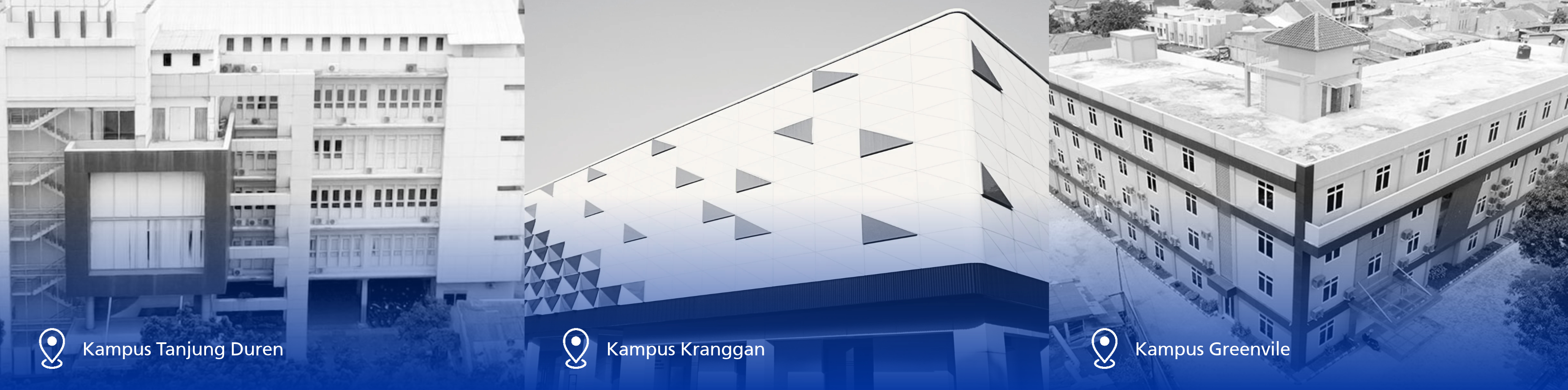
Campus Tanjung Duren
Jln. Tanjung Duren Barat II No. 1
Grogol, Jakarta Barat. 11470
Campus Green Ville
JIn. Mangga XIV No. 3
Campus Kranggan
Jln. Raya Kranggan, No.6,
Jatiraden, Kec. Jatisampurna, Bekasi. 17432


