

Article

Safeguarding Our Cultural and Local Wisdom: The Radiance of Wayang in the Modern Era


 By :
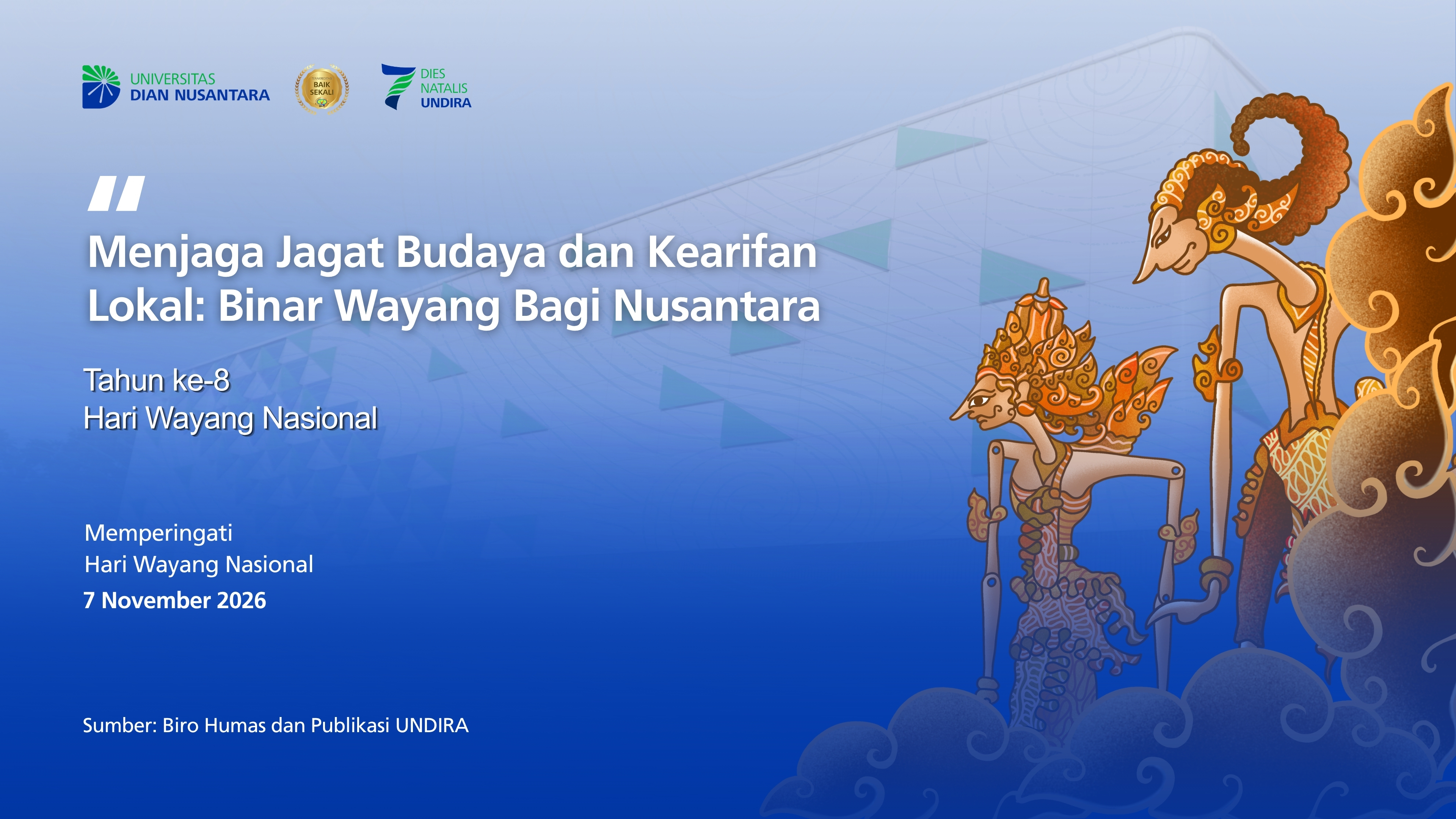
Wayang is known as a puppet, usually made from leather, wood, and other natural materials such as plants and rice stalks. But it has never been mere decoration. It is a heritage handed down through the generations, telling stories rich in local wisdom, and it has been declared one of Indonesia’s cultural identities, one the world recognizes.
Recognized by UNESCO as a Masterpiece of the Oral and Intangible Heritage of Humanity on 7 November 2003, wayang is valued not only for its form as a puppet that can be performed, but for its values and philosophy, whose roots reach deep into humanity and wisdom.
The word wayang means “shadow,” and not only because the puppets are “shadows” of a story or because the performer stays hidden behind the screen. The name also reflects how it was staged: historical records show that traditional wayang kulit (leather shadow puppetry) used a white cloth screen (kelir) and an oil lamp or incandescent bulb (blencong) shining on the puppets, so that they appeared as faint shadows on the white cloth.
For many people today, wayang may seem like nothing more than decoration or a relic of history. Even as it fades in this modern age, worn down by the rise of an instant-gratification mindset and by digitalization, wayang still holds its place in some parts of Indonesia. It enriches cultural identity, history, and folklore, and it remains an interactive, human way of passing knowledge on. That’s because, unlike information delivered through AI, technology, and datasets alone, sharing information and stories through a wayang performance emphasizes the emotional, cultural, and social dimensions, with jokes adapted so that they come across naturally (though some audiences may need time to take it all in, especially across a generational or cultural gap). In short, wayang is the all-time classic of art, UNDIRA friends.
Walter Fisher’s Narrative Paradigm theory (1980) strongly supports this: through a work, narrative and aesthetics can carry meaning further than data and logic alone. Fisher also cast human beings as the best authors of life’s values, thanks to our capacity as storytelling creatures (homo narrans). He believed that communication people can relate to builds a lasting experience, loyalty, and a stronger sense of harmony between the communicator and the audience.
Looking at it through choreography, which holds a performance together from start to finish, wayang involves movement that is anything but careless, UNDIRA friends. It takes real skill: the expertise of the dalang (the puppeteer), the flow of the music, and an extensive understanding of folklore, all working together so that knowledge is passed on well and enjoyably. (At times, though, improvisation or adaptation is still needed to bridge gaps in understanding and avoid oversimplifying, as in the case of Sunan Kalijaga, who spread Islam through wayang.)
These days, the opportunities that technology and Gen Z’s innovation bring are opening ever wider paths for the wayang tradition, especially for the younger generation. Through digitalization, AI, and improved audiovisual technology, we can not only preserve local stories but also modernize the world of wayang, so that it leaves a lasting impression, draws people in emotionally, and introduces Indonesian culture to a wider audience.
Beneath all the theory and modernity, wayang is one of those works that offers simplicity, along with values that still speak to society today and to everyone who loves local wisdom. In every form and every movement lies a richness woven with care, handed down from one generation to the next. As National Wayang Day on 7 November 2026 draws near, let’s protect wayang together as one of the shining lights of Indonesia’s cultural world in this modern era. May wayang’s light never go out, for now and forevermore.
Sources of Reference:
Ebsco Research and Journals - Narrative Paradigm Theory by Walter R. Fisher
Kompasiana - Wayang Kulit di Era Modern: Ancaman, Peluang, Adaptasi, dan Inovasi Teknologi
DiswayID - Hari Wayang Nasional Diperingati 7 November, Ini Sejarah dan Maknanya
(Danang Respati Wicaksono / Humas UNDIRA)
Press Contact :
Biro Humas & Sekretariat Universitas Dian Nusantara
Facebook : www.facebook.com/undiraofficial
Instagram : www.instagram.com/undiraofficial
Twitter : www.twitter.com/undiraofficial
www.undira.ac.id
Other
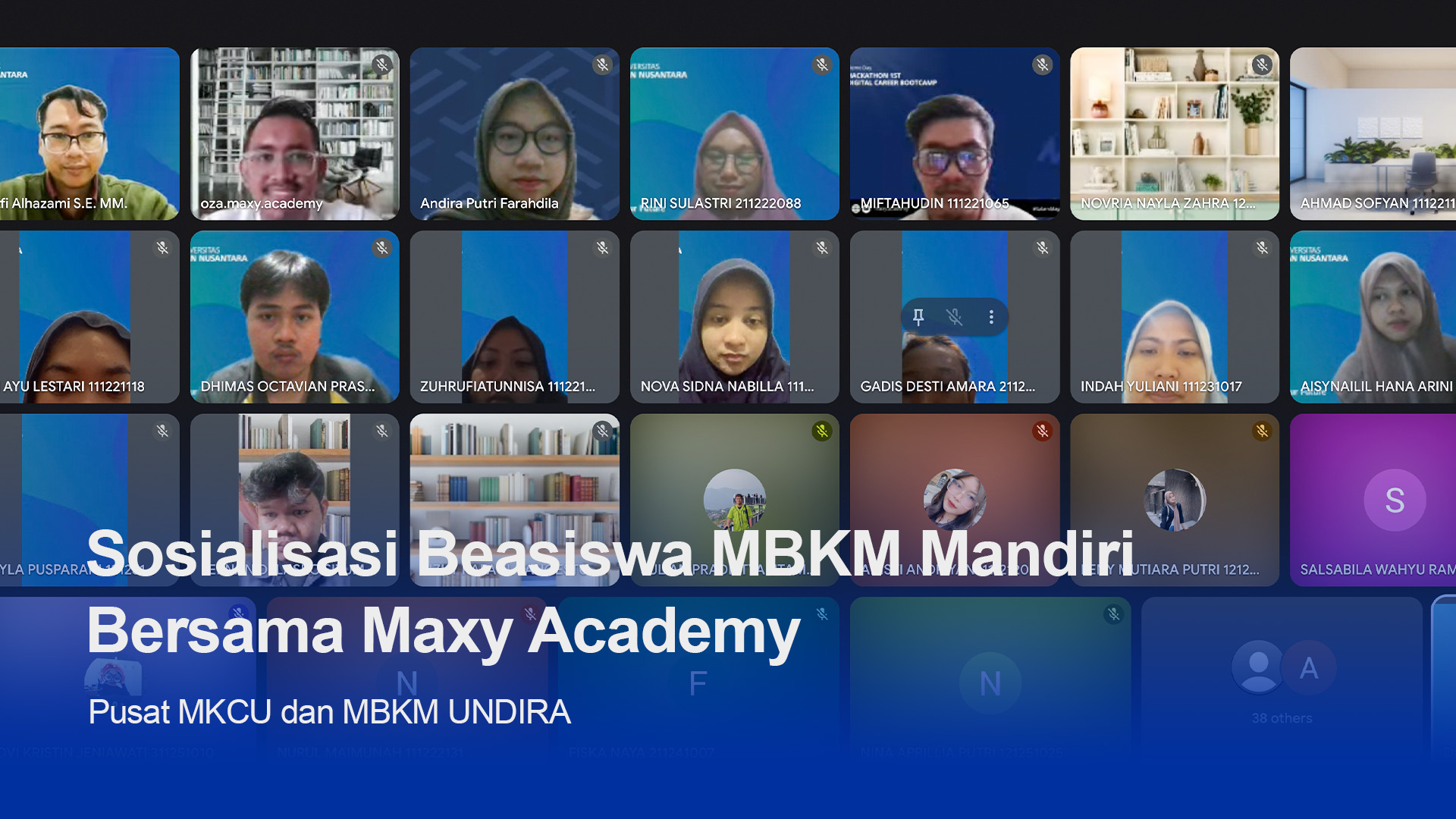
Enhancing Competency and Internship Readiness: UNDIRA and Maxy Academy Host MBKM Scholarship Socialization
Read more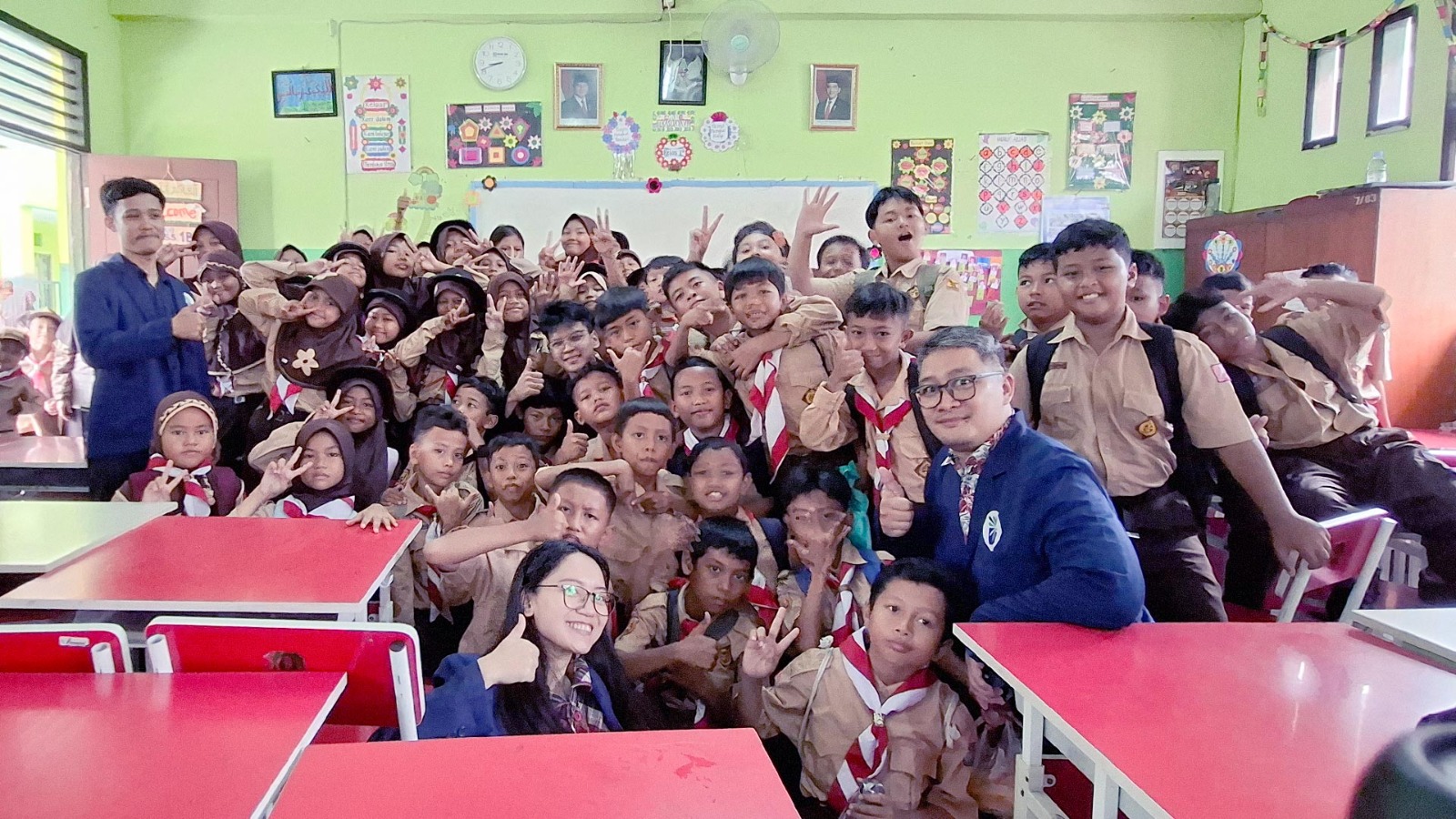
Students Community Care: UNDIRA Informatics Engineering Conducts Awareness Campaign for Elementary School Students
Read more
UNDIRA Successfully Holds Seminar and Workshop on Sustainable Business Innovation for Students
Read more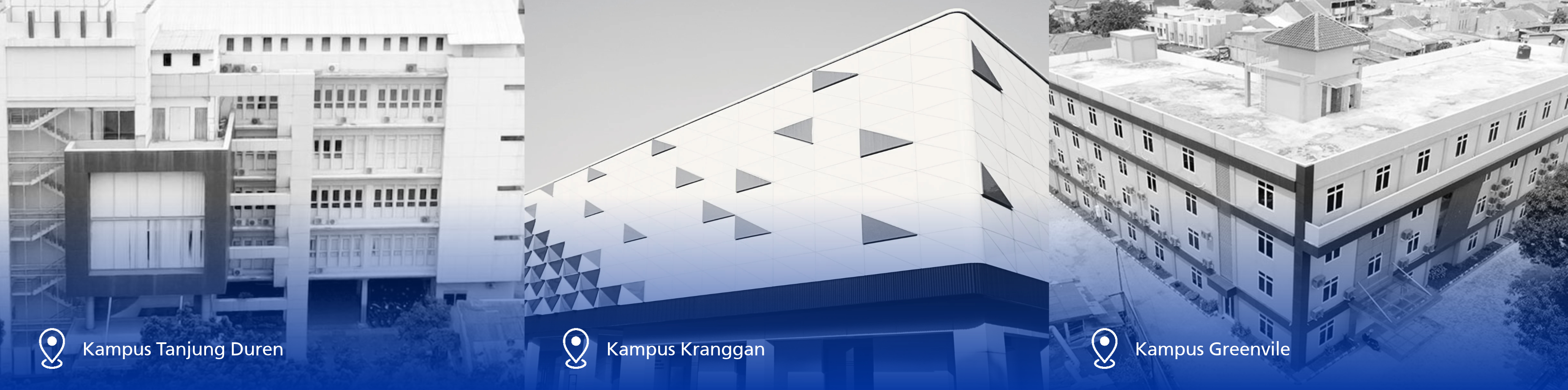
Campus Tanjung Duren
Jln. Tanjung Duren Barat II No. 1
Grogol, Jakarta Barat. 11470
Campus Green Ville
JIn. Mangga XIV No. 3
Campus Kranggan
Jln. Raya Kranggan, No.6,
Jatiraden, Kec. Jatisampurna, Bekasi. 17432


